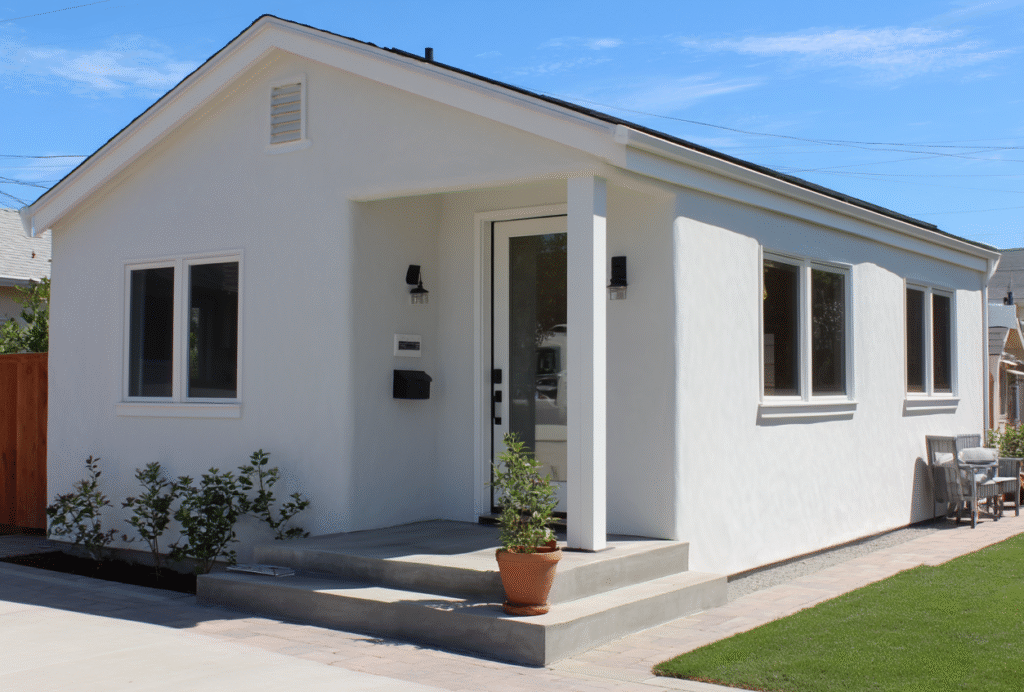
Homeowners increasingly seek ways to maximize property value and generate passive income without selling or moving. A studio ADU (Accessory Dwelling Unit) has emerged as one of the most effective solutions, offering a compact, self-contained rental unit that produces steady cash flow while requiring less investment than larger ADU configurations. T
These efficient dwellings typically range from 300-600 square feet and include everything tenants need—sleeping area, kitchenette, bathroom, and living space—all within an open-concept layout that maximizes every square foot.
The Growing Popularity of Studio ADUs for Rental Income
Rising Demand for Affordable Housing
Housing affordability challenges in many markets create strong demand for smallerconstruction c, more affordable rental options. Young professionals, students, remote workers, and seniors all seek quality housing at reasonable prices. A studio ADU perfectly serves this market by offering privacy and independence at lower rents than larger apartments or houses.
This demographic shift has made ADU studio rentals particularly attractive. Tenants who once might have shared apartments with roommates now prefer private studios offering personal space without exorbitant costs. The self-contained nature of ADUs appeals to renters wanting independence from landlords living in the main house while maintaining the benefits of residential neighborhoods—quieter environments, parking availability, and often outdoor access.
Flexibility in Rental Models
Studio ADUs support various rental strategies depending on your goals and local regulations. Long-term rentals provide stable, predictable income with lower turnover and maintenance between tenants. Month-to-month arrangements offer flexibility while still generating consistent revenue. In areas allowing short-term rentals, platforms like Airbnb or VRBO can generate higher per-night rates, though with more management involvement.
This flexibility extends to personal use as well. When not rented, yourADU serves as guest quarters, home office, art studio, or housing for returning adult children or aging parents. This dual-purpose functionality protects your investment even if rental markets soften or your financial needs change.

Financial Considerations: The Cost and ROI of a Studio ADU
Understanding the Studio ADU Cost
The studio ADU cost varies significantly based on location, materials, site conditions, and finish quality. National averages range from $80,000-$200,000 for professionally built units, with per-square-foot costs typically between $200-$400. Smaller footprints mean lower absolute costs compared to two or three-bedroom ADUs, making studios more accessible for homeowners with limited budgets.
Several factors influence final costs. Site preparation—grading, utility connections, and foundation work—can add $10,000-$30,000. Prefabricated or modular studio ADUs often cost 20-40% less than stick-built construction while maintaining quality and meeting building codes. High-end finishes, premium appliances, and custom details increase costs but may justify higher rental rates in upscale markets.
Budget for soft costs beyond construction, including architectural design ($3,000-$8,000), permitting ($2,000-$8,000), utility connection fees ($5,000-$15,000), and landscaping ($2,000-$10,000). These expenses quickly add $15,000-$40,000 to base construction costs, making total project budgets $100,000-$250,000 depending on local factors and choices.
Return on Investment (ROI)
Studio ADUs typically generate 5-15% annual returns on investment through rental income, though exact figures depend on local rental markets and total project costs. In strong rental markets, a small studio ADU renting for $1,200-$1,800 monthly generates $14,400-$21,600 annually. Against a $150,000 total investment, this represents roughly 10-14% annual return before expenses.
ROI calculations should account for property tax increases, insurance costs, utilities, if included in rent, maintenance reserves, and occasional vacancy. However, even conservative calculations typically show payback periods of 7-15 years, after which the ADU generates nearly pure profit while simultaneously increasing property value.
Property value increases from adding a studio ADU often exceed construction costs. Many markets see property values rise $100,000-$200,000 from well-designed ADU additions, providing immediate equity beyond future rental income. This combination of cash flow and appreciation makes ADUs among the best residential property investments available.
Cost of Maintenance and Utilities
Smaller square footage means lower utility costs,s whether you pay them or pass them to tenants. Heating, cooling, and lighting a 400-square-foot studio costs substantially less than larger units. Modern energy-efficient appliances, LED lighting, and quality insulation further reduce operating expenses.
Maintenance costs remain relatively low for newer studio ADUs built to current codes. Budget 1-2% of the unit’s value annually for routine maintenance—replacing appliances, painting, flooring repairs, and general upkeep. Establishing a maintenance reserve prevents surprises and preserves the unit’s condition, protecting both rental income and property value.
Design Considerations for a Profitable Studio ADU
Maximizing Space Efficiency
Successful studio ADU design makes efficient use of every square foot. Open floor plans create spaciousness in compact footprints by eliminating unnecessary walls. Strategic furniture placement can define sleeping, living, and dining zones without physical separation, maintaining flow while providing functional areas.
Built-in storage solutions maximize usability without consuming floor space. Wall-mounted shelving, under-counter cabinets, closet organizers, and multi-functional furniture help tenants comfortably live in smaller spaces. Murphy beds or sofa beds can transform living areas into bedrooms when needed, effectively creating multi-purpose spaces in single rooms.
Aesthetic Appeal for Renters
Attractive design commands higher rents and reduces vacancy periods. Contemporary aesthetics with clean lines, neutral colors, and quality finishes appeal to the broadest tenant base. Durable materials that maintain appearance despite regular use—luxury vinyl plank flooring, quartz countertops, quality paint—balance aesthetics with practicality.
Thoughtful design details create appealing spaces that stand out in rental markets. Accent walls, interesting light fixtures, attractive bathroom tiles, or quality kitchen backsplashes add character without major expense. These touches help your ADU studio photograph well in listings and create positive first impressions during showings.
Incorporating Essential Amenities
Even small studio ADU designs must include full functionality. Complete kitchens with full-size refrigerators, ranges, and adequate counter space make units suitable for long-term occupancy. Microwaves, dishwashers, if space allows, and sufficient cabinet storage prevent kitchens from feeling inadequate.
Full bathrooms with showers or tub-shower combinations, proper ventilation, and sufficient storage meet tenant expectations. Stacked washer-dryer units add tremendous value in the 10-15 square feet they occupy, eliminating tenant needs for laundromat visits or main-house laundry access.

Legal and Regulatory Aspects of Renting a Studio ADU
Zoning and Permitting Requirements
ADU regulations vary dramatically by jurisdiction. Research local ordinances before planning your studio ADU project. Many areas recently liberalized ADU rules, but restrictions on maximum size, parking requirements, owner-occupancy mandates, and short-term rental limitations still apply in many jurisdictions.
Some municipalities require property owners to occupy either the main house or the ADU, preventing the rental of both structures. Others restrict the total number of occupants or unrelated individuals sharing properties. Understanding these rules prevents investing in ADUs you can’t rent as intended.
Rental Licensing and Tenant Laws
Many jurisdictions require rental licenses or registration for landlords. These programs typically involve property inspections, fee payment, and compliance with local housing codes. Failing to obtain required licenses can result in fines and the inability to legally enforce lease terms.
Landlord-tenant laws govern security deposits, eviction procedures, habitability standards, and other aspects of the rental relationship. Understanding your legal obligations and tenants’ rights protects you from liability and ensures smooth rental operations. Many property owners benefit from consulting real estate attorneys when beginning rental operations.
Short-Term vs. Long-Term Rental Regulations
If considering short-term rentals, verify they’re permitted in your area. Many cities have banned or heavily restricted short-term rentals through platforms like Airbnb due to neighborhood concerns about noise, parking, and housing availability. Where permitted, short-term rentals often require special licenses, tax collection, and stricter safety requirements than long-term rentals.
Long-term rentals typically involve less regulation and provide more stable income with less management burden. They also tend to generate better neighbor relations and fewer concerns from homeowner associations or local governments. Most homeowners find that long-term tenants provide an optimal balance between income, effort, and complications.
Advantages of Studio ADUs for Rental Income
Studio ADUs offer these compelling benefits:
- Lower construction costs compared to larger ADU configurations
- Strong rental demand from various demographic groups
- Higher returns on investment due to lower initial capital requirements
- Simpler maintenance and lower utility costs than larger units
- Flexibility to use personally when not rented
- Significant property value increases
- Passive income stream offsetting mortgage or property costs
- Easier tenant management with smaller, simpler spaces
- Quicker construction timelines than complex multi-room ADUs
- Smaller environmental footprint appealing to eco-conscious tenants
Final Thoughts
A studio ADU represents an excellent investment for homeowners seeking rental income while enhancing property value. The combination of relatively modest construction costs, strong rental demand, and substantial returns on investment makes them among the most accessible and profitable property improvements available.
The small studio ADU format particularly appeals to entry-level real estate investors or homeowners adding rental income for the first time. Lower costs mean less financial risk while still generating meaningful cash flow. Simpler maintenance and tenant management make landlord responsibilities more manageable for those without prior rental experience.