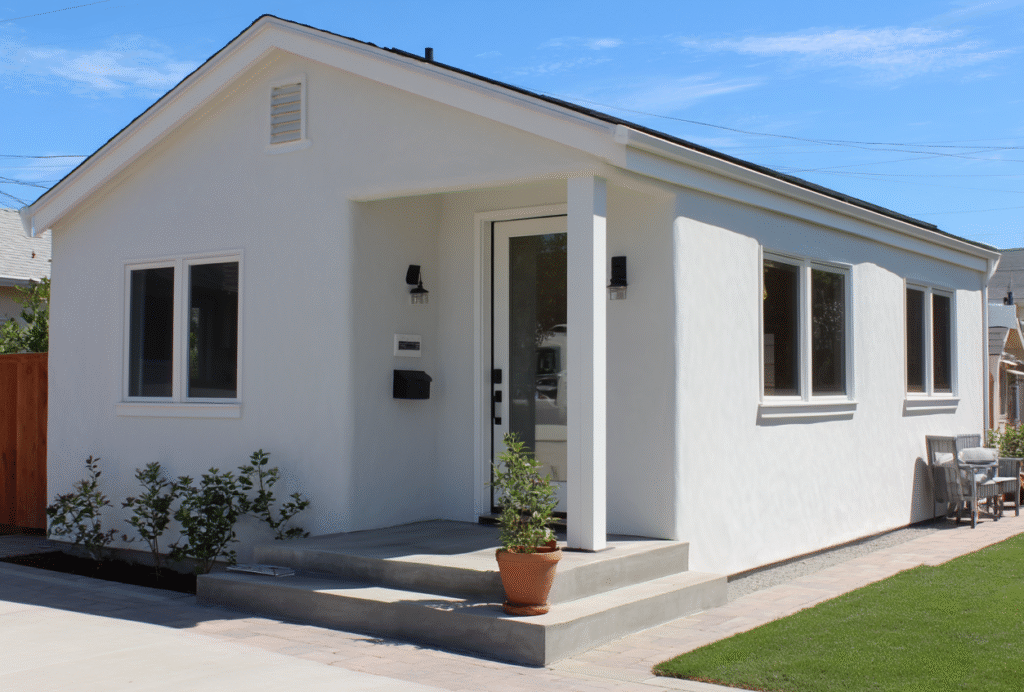
Designing a home that perfectly fits your lifestyle doesn’t require thousands of square feet. More people are discovering that thoughtfully designed compact spaces can deliver everything they need while eliminating what they don’t. Creating a custom tiny home allows you to build exactly what works for your life, from layout to finishes to special features.
The Appeal of Custom Tiny Homes
The tiny home movement continues gaining momentum, but cookie-cutter designs don’t work for everyone. Your lifestyle, preferences, and needs are unique. It addresses these individual requirements in ways that pre-built models simply can’t match.
Pre-designed tiny homes offer convenience, but they force you to adapt your life to fit their layout. When you design a custom tiny home, the process reverses—the home adapts to fit your life. You decide where windows go, how the kitchen functions, and whether you need a workspace or extra storage. This personalization transforms a house into your home.
Why Choose a Custom Tiny Home?
Custom builds cost more than buying pre-made models, but the value justifies the investment. You’re not paying for features you won’t use or compromising on things that matter to you. Every dollar goes toward creating exactly what you want.
They also age better. When you select quality materials and design for your specific needs, the home remains functional and appealing for years. You won’t quickly outgrow a space built around how you actually live. The attention to detail that comes with custom work shows in the finished product.

Key Considerations When Designing Your Custom Tiny Home
Before sketching layouts or choosing paint colors, address these fundamental questions. Getting these right sets the foundation for a successful project.
Setting a Realistic Budget
Money matters. They typically cost between $50,000 and $150,000, depending on size, materials, and features. Establishing your budget upfront guides every subsequent decision. Be honest about what you can afford, and include a contingency fund for unexpected expenses.
Break your budget into categories: structure and shell, systems (electrical, plumbing, HVAC), interior finishes, appliances, and furniture. This breakdown helps you see where money goes and where you might adjust if costs exceed expectations. Some people start with basic builds and add features over time as finances allow.
Understanding Your Space Needs
How will you actually use your custom tiny home? Will you work from home? Do you cook elaborate meals? How much clothing and personal items do you own? Honest answers to these questions shape your design.
Make a list of must-have features versus nice-to-have additions. Maybe you need a full kitchen, but could manage with a small bathroom. Perhaps you require dedicated office space but don’t need a separate bedroom. Understanding priorities prevents trying to cram too much into limited square footage.
Selecting the Right Floor Plan
Floor plan selection might be the most important design decision. The layout determines how space flows and functions. Open concepts maximize perceived space but offer little privacy. Divided plans create distinct zones but can feel choppy.
Most custom tiny homes work best with some combination—open living areas with defined sleeping or working zones. Lofted bedrooms save floor space while keeping sleeping areas separate. Multi-level designs add visual interest and functional separation without walls.
Design Ideas for Your Perfect Custom Tiny Home
With fundamentals addressed, explore specific design approaches that might work for your custom tiny home.
Contemporary Tiny Home Design Ideas
Contemporary tiny home designs emphasize clean lines, open spaces, and modern aesthetics. These homes often feature large windows, minimalist interiors, and neutral color palettes. The contemporary approach works well in tiny spaces because it avoids visual clutter.
Key elements of contemporary design include:
- Floor-to-ceiling windows that blur indoor-outdoor boundaries
- Sleek, handleless cabinets and integrated appliances
- Concrete, steel, and glass materials
- Open shelving and floating furniture
- Monochromatic or limited color schemes
- Strategic lighting to highlight architecture
This style creates sophisticated spaces that feel larger than their square footage suggests. The emphasis on function and form without excess decoration suits compact living perfectly.
Rustic and Cozy Custom Tiny Homes
If contemporary feels too stark, rustic designs offer warmth and character. These tiny homes incorporate natural materials like wood, stone, and metal. Exposed beams, shiplap walls, and vintage fixtures create inviting atmospheres.
Rustic doesn’t mean primitive. Modern amenities fit seamlessly into rustic aesthetics when thoughtfully integrated. A farmhouse sink, butcher block counters, and open shelving create functional, beautiful kitchens. Wood stoves provide both heat and focal points for gathering.
The key is balance. Too much rustic detail overwhelms small spaces. Select a few strong elements—reclaimed wood accent wall, exposed beams, stone fireplace—and keep other surfaces simpler. This creates character without clutter.
Incorporating Sustainable Features
Many people choose custom tiny homes partly for environmental reasons. The custom design process allows you to maximize sustainability from the start rather than retrofitting later.
Consider these eco-friendly features:
- Solar panels sized to meet your actual energy needs
- High-efficiency appliances and LED lighting throughout
- Superior insulation and air sealing for minimal energy loss
- Composting toilets and greywater systems
- Rainwater collection for irrigation
- Reclaimed or sustainably sourced building materials
These features often cost more upfront but pay dividends through lower utility bills and reduced environmental impact. When working with local tiny house builders, discuss which sustainable options make sense for your budget and location.
Maximizing Storage and Multi-Functional Spaces
Storage makes or breaks tiny home living. Your design must include creative storage solutions integrated throughout the space. Think vertically—floor-to-ceiling cabinets, lofted storage, and overhead compartments use space that would otherwise go to waste.
Built-in furniture serves multiple purposes. A window seat provides seating while hiding storage beneath. Stairs to sleeping lofts can incorporate drawers in each step. Fold-down tables mount to walls, appearing only when needed.
Smart Technology for Tiny Homes
Modern technology suits tiny homes perfectly. Smart thermostats learn your preferences and minimize energy use. Automated lighting adjusts throughout the day. Compact, efficient appliances do more with less space.
Voice-controlled systems eliminate the need for multiple switches and controls. You can adjust lighting, temperature, and music without cluttering walls with devices. Security systems monitor your home remotely, providing peace of mind whether you’re inside or away.

Working with Local Tiny House Builders
Finding the right builder makes the difference between a dream home and a disappointing experience. The relationship you build with your construction team directly affects the final product.
How to Find the Right Builder for Your Custom Tiny Home
Start by researching local tiny house builders in your area. Local builders understand regional building codes, climate considerations, and available materials. They can show you completed projects and connect you with previous clients.
Look for builders specializing in custom tiny homes rather than production builders who occasionally do small projects. Specialists understand the unique challenges of compact construction. They know how to maximize space, incorporate clever storage, and solve problems specific to tiny homes.
Collaborating with Builders on Your Design Vision
Good builders don’t just follow instructions—they collaborate. Bring your ideas, photos, and requirements to initial meetings. Share Pinterest boards, sketches, or magazine clippings showing what appeals to you. The builder should listen carefully and ask questions to understand your vision.
Expect push-back sometimes. Experienced builders know what works and what doesn’t. If they suggest changes, understand their reasoning. Maybe your planned layout blocks natural light or creates awkward traffic patterns. These conversations improve the final design.
Understanding the Build Timeline and Process
Custom tiny home construction typically takes three to six months, depending on complexity, weather, and material availability. Your builder should provide a detailed timeline with major milestones. Understanding the sequence helps you plan and reduces anxiety about progress.
The process generally follows this pattern: design finalization and permitting, foundation or trailer preparation, framing and exterior, rough-in for plumbing and electrical, insulation and interior walls, finish work, and final inspections. Each phase has specific requirements and dependencies.
Creating Your Perfect Space
Designing a custom tiny home requires balancing aesthetics, functionality, and budget. Success comes from understanding your needs, making informed choices about design and materials, and working with experienced builders who share your vision. Whether you prefer contemporary minimalism or cozy rustic charm, custom design ensures your tiny home reflects your lifestyle and values.
The effort invested in planning pays off every day you live in the space. A well-designed custom tiny home provides everything you need in an efficient, attractive package. It proves that living well doesn’t require living large—just living smart.
• https://goshentinyhomes.com/adu-models/