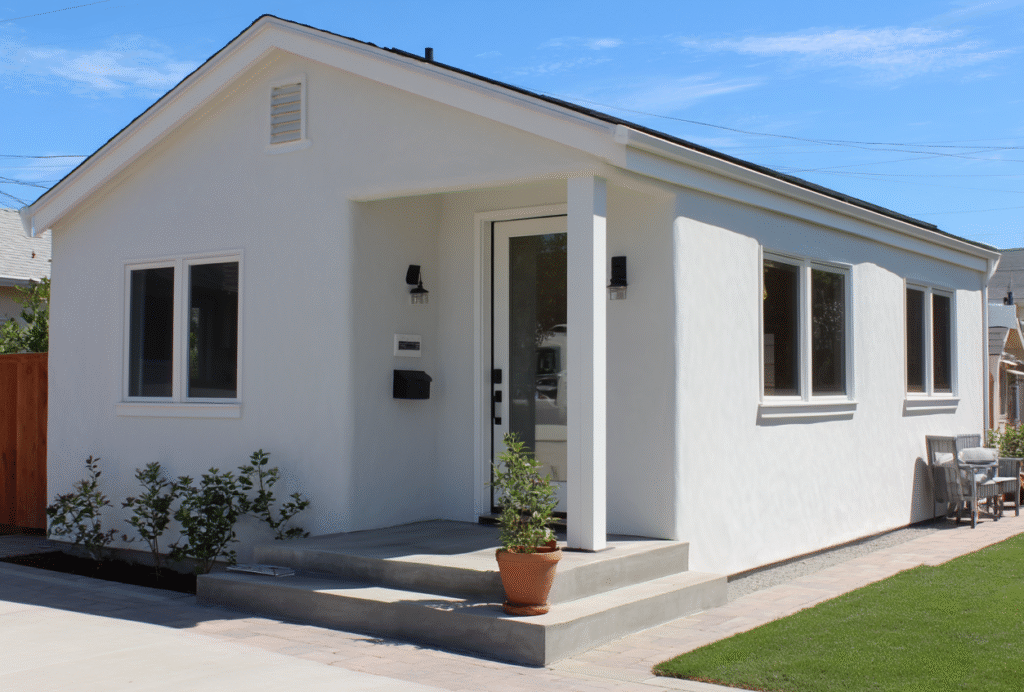
Designing an Accessory Dwelling Unit requires careful planning and attention to detail. While the concept seems straightforward, many homeowners and even some designers make preventable mistakes that compromise the final result.
Understanding these common pitfalls before you start your project can save you thousands of dollars, months of frustration, and ensure your ADU functions exactly as intended for years to come.
The Growing Importance of Well-Designed ADUs
Accessory Dwelling Units have become increasingly popular as housing costs rise and families seek flexible living arrangements. Whether you’re creating rental income, housing aging parents, providing space for adult children, or building a home office, ADUs offer practical solutions that traditional home additions can’t match. Cities across the country have relaxed zoning restrictions, making ADU construction more accessible than ever.
However, popularity doesn’t automatically translate to quality. The success of your ADU depends heavily on thoughtful ADU architecture that considers both immediate needs and future flexibility. A well-designed ADU maximizes limited square footage, provides comfortable living conditions, and enhances your property value. Poor design does the opposite, creating spaces that feel cramped, function poorly, and may even decrease your property’s appeal.

Common Mistakes in ADU Architecture Design and How to Avoid Them
Learning from others’ mistakes is far less expensive than making your own. Here are the most common errors in ADU architecture and practical strategies to avoid them.
1. Failing to Maximize Available Space
The biggest mistake in ADU design is wasting precious square footage. Every inch counts in compact living, yet many designs include unnecessary hallways, awkward corners, or rooms that don’t flow logically. Dead space under the stairs goes unused. Closets are poorly configured. Kitchen layouts require excessive movement between work zones.
Innovative ADU architecture eliminates wasted space through careful planning. Open floor plans combine living, dining, and kitchen areas without sacrificing function. Built-in furniture serves multiple purposes. Stairs incorporate drawer storage. Vertical space gets utilized with high shelving and lofted areas where ceiling height allows.
2. Ignoring Zoning and Building Codes
Designing your dream ADU means nothing if it can’t be legally built. Local regulations govern maximum size, height restrictions, setback requirements from property lines, parking provisions, and sometimes even architectural style. Many homeowners create elaborate plans only to discover they violate multiple codes.
Research regulations before designing anything. Contact your local planning department or hire professionals familiar with ADU requirements in your area. Some cities have specific ADU ordinances with detailed requirements. Others treat them as secondary structures subject to general building codes.
3. Overlooking the Importance of Natural Light and Ventilation
Dark, stuffy spaces feel oppressive regardless of size. Yet many ADU designs skimp on windows to save costs or maintain privacy. The result is a cave-like environment that nobody wants to occupy. Poor ventilation causes moisture problems, unpleasant odors, and potential health issues.
Prioritize natural light in your ADU architecture. Place windows strategically to illuminate all areas throughout the day. Skylights bring light to interior spaces without compromising privacy. Clerestory windows mounted high on walls provide light while maintaining privacy at eye level.
4. Underestimating the Need for Privacy
Privacy matters for both ADU occupants and the prominent house residents. Windows that align with those in the primary dwelling create awkward sight lines. Outdoor spaces that overlook each other limit usability. Shared walls transmit sound between units. Entry doors that force residents to pass each other’s windows feel intrusive.
Consider privacy from multiple angles when developing ADU architectural designs. Orient windows to avoid direct views into the main house. Use frosted glass, window placement, or landscaping to create visual barriers. Plan separate outdoor spaces for each dwelling when possible.
5. Focusing Too Much on Aesthetics and Not Enough on Functionality
Beautiful ADUs that don’t function well become expensive frustrations. A stunning kitchen with inadequate counter space. Gorgeous built-in furniture that’s uncomfortable. Statement lighting that doesn’t provide adequate illumination. Form must serve function, especially in compact spaces where every element matters.
Balance aesthetics with practicality in your ADU architecture. Choose attractive materials that also perform well. Design furniture that looks good and serves its purpose comfortably. Plan lighting layers: ambient, task, and accent lighting that create atmosphere while meeting functional needs.
6. Not Planning for Future Needs
Today’s needs may not match tomorrow’s. An ADU explicitly designed for one elderly parent might not work for future renters. A home office perfect for remote work may need to become a guest suite. Rigid designs that can’t adapt limit your ADU’s long-term value and usefulness.
Build flexibility into your ADU architecture. Neutral designs appeal to various users. Separating sleeping areas from living spaces allows different configurations. Adequate electrical outlets and data connections support changing technology needs. Accessible design features benefit everyone, not just those with mobility challenges.
7. Skimping on Quality Materials and Insulation
Budget consciousness makes sense, but being penny-wise and pound-foolish costs more long-term. Cheap windows leak air and provide poor insulation. Inadequate insulation creates uncomfortable temperatures and high utility bills. Low-quality finishes require frequent replacement. These false economies turn into expensive problems.
Invest wisely in your ADU architecture. Prioritize spending on structural elements, insulation, windows, and mechanical systems. These affect comfort, durability, and operating costs for decades. You can always upgrade finishes later, but you can’t easily add insulation or replace windows without significant expense.
8. Poor Integration with the Main Home or Property
ADUs should complement your property, not clash with it. Wildly different architectural styles look odd. ADUs that block views from the main house or dominate the yard create problems. Poor site placement causes drainage issues, shadows cast on gardens, or awkward circulation between buildings.
Design your ADU to harmonize with existing structures. Match or complement architectural styles, roof lines, and exterior materials. This doesn’t mean identical—complementary designs often work better than exact matches—but some visual relationship should exist.
Designing a Functional ADU with the Right Architectural Approach
Success in ADU architecture comes from balancing multiple considerations simultaneously.
The Role of Tiny Home Architecture in ADUs
Tiny home architecture offers valuable lessons for ADU design. The little house movement has refined strategies for efficient space use, smart storage, and creating comfort in minimal square footage. Many principles transfer directly to ADU applications.
Multi-functional furniture is standard in tiny home architecture. Dining tables fold away or extend as needed. Sofas contain storage. Murphy beds free floor space during the day. Stairs incorporate drawers. These concepts work equally well in ADUs, maximizing usability without increasing footprint.
How to Achieve the Perfect Balance Between Functionality and Aesthetics
Great ADU architecture doesn’t sacrifice beauty for utility or vice versa. The best designs make functionality beautiful. Exposed beams serve structural purposes while creating visual interest. Built-in shelving provides storage and becomes an architectural feature. Large windows offer views and light while making spaces feel larger.
Start with function and enhance with aesthetics. Determine what activities the space must accommodate, then arrange elements efficiently. Once the functional layout works, apply design principles: proportion, scale, balance, rhythm, emphasis, and unity. Good architecture feels intentional and cohesive.

Working with Professional ADU Architects and Designers
Professional help often saves money despite the additional upfront cost.
Finding the Right ADU Architect or Designer
Not all architects have ADU experience. Look specifically for professionals with portfolios showing completed accessory dwelling units. They understand the unique challenges: maximizing small footprints, navigating ADU regulations, and creating spaces that feel complete rather than like miniature versions of larger homes.
Interview multiple professionals before choosing. Discuss their design philosophy and approach to ADU architecture. Review their portfolios carefully, looking for variety and quality. Ask about their process, typical timelines, and how they handle budget constraints.
Collaborating on ADU Architectural Plans
Good architects listen before designing. They ask questions about your lifestyle, needs, preferences, and concerns. They visit your site, assess existing conditions, and consider how the ADU fits into your overall property. This information gathering shapes better designs than architects who jump straight to drawing.
Expect multiple design iterations. Initial concepts present big-picture ideas about layout and approach. Subsequent revisions refine details and incorporate your feedback. Don’t feel pressured to approve plans before you’re satisfied. Changes during design cost far less than changes during construction.
Creating ADU Architecture That Works
Avoiding common mistakes in ADU architecture requires awareness, planning, and often professional help. The mistakes outlined here—wasted space, code violations, poor lighting, inadequate privacy, form over function, inflexibility, cheap materials, and poor integration—all compromise your final result. Each is preventable with thoughtful design and proper guidance.
Successful ADU architectural designs balance numerous considerations: functionality and aesthetics, privacy and connection, current needs and future flexibility, budget constraints, and quality requirements. This balancing act challenges even experienced designers, which is why professional help often proves worthwhile.