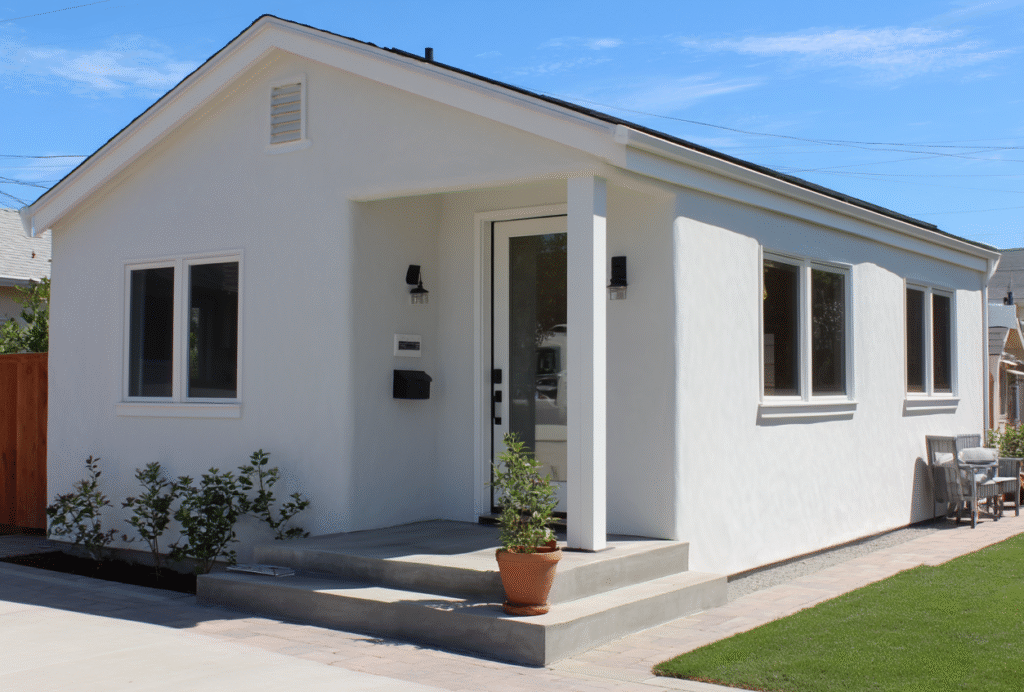
The real estate market is experiencing a shift that few predicted even a decade ago. Luxury tiny homes have emerged as one of the most talked-about trends, combining the appeal of minimalist living with premium finishes and thoughtful design.
This article explores why these compact yet sophisticated dwellings are capturing attention from buyers across different demographics and what this means for the future of housing.
The Growing Popularity of Tiny Homes in Real Estate
Tiny homes started as a niche movement focused on simplicity and affordability. What began as a counterculture response to expensive housing has transformed into something much broader. Today’s tiny home market includes everything from basic mobile units to stunning custom builds that rival traditional homes in quality and style.
The real game-changer has been the introduction of luxury tiny homes into the market. These aren’t your basic minimalist shelters. They feature high-end appliances, premium materials, custom millwork, and architectural details that make them stand out.
Why Luxury Tiny Homes Are Gaining Popularity
Several converging factors explain why luxury tiny homes have moved from fringe interest to mainstream consideration.
Affordable Luxury Living
The math is simple but compelling. A well-built luxury tiny home might cost $150,000 to $250,000, while a traditional luxury home in a desirable area could easily run $800,000 or more. Buyers get high-end finishes, custom features, and quality construction at a fraction of traditional luxury home prices.
This affordability extends beyond the purchase price. Smaller spaces cost less to heat, cool, and maintain. Property taxes on tiny homes are typically lower. Insurance premiums decrease. These ongoing savings add up significantly over time, making luxury living accessible to a broader range of buyers.
Sustainable and Eco-Friendly Living
Environmental concerns influence purchasing decisions more than ever. They address these concerns directly through reduced resource consumption. Less square footage means less energy use, fewer building materials, and a smaller carbon footprint.
Many tiny luxurious homes incorporate cutting-edge green technologies. Solar panels, composting toilets, rainwater collection systems, and high-efficiency HVAC systems are common features. Builders use sustainable materials like reclaimed wood, recycled metal, and low-VOC finishes. Buyers appreciate that they can live comfortably without compromising their environmental values.
The Desire for Minimalism and Freedom
Modern life often feels cluttered and overwhelming. Luxury tiny homes offer a solution by forcing intentional choices about possessions and space use. This doesn’t mean living without nice things—it means carefully selecting quality items that truly matter.
The mobility factor appeals to many buyers. While not all of them are mobile, many are designed to relocate if needed. This flexibility suits people whose careers or lifestyles benefit from geographic freedom. Others simply appreciate knowing they could move their home if circumstances change.

The Rise of Luxury ADUs and Their Impact on Real Estate
Accessory Dwelling Units have become a significant part of the luxury tiny home conversation.
What is a Luxury ADU?
A luxury ADU is a high-end accessory dwelling unit built on the same property as a primary residence. These structures offer all the features of luxury tiny homes while remaining attached to an existing property. They typically include full kitchens, complete bathrooms, sleeping areas, and living spaces designed with premium materials and finishes.
The luxury adu market has grown as zoning laws have relaxed in many cities. Property owners can now add sophisticated secondary dwellings that match or exceed the quality of their main homes.
The Benefits of Luxury ADUs
Property owners find multiple advantages in adding a luxury ADU to their land:
- Generate rental income from a high-quality space that commands premium rates
- Provide comfortable housing for aging parents or adult children
- Create a private home office or studio separate from the main house
- Increase overall property value with a well-designed addition
Unlike basic ADUs built purely for utility, luxury versions enhance the entire property. They’re architectural statements that improve the aesthetic appeal while serving practical functions.
Key Features That Define Luxury Tiny Homes
What separates luxury tiny homes from standard tiny houses? The details make all the difference.
High-End Materials and Finishes
Walk into a luxury tiny home and you’ll find the same quality materials used in high-end traditional homes. Quartz or granite countertops, hardwood or luxury vinyl plank flooring, custom cabinetry with soft-close drawers, and designer fixtures throughout. Exterior materials might include cedar siding, metal roofing, or fiber cement panels chosen for both durability and appearance.
Attention to detail extends to trim work, built-ins, and storage solutions. Everything is custom-fitted to maximize space while maintaining a refined aesthetic.
Smart Home Technologies
Technology integration is standard in them. Automated climate control learns your preferences and optimizes energy use. Smart lighting adjusts throughout the day. Security systems connect to your phone. Voice-controlled assistants manage entertainment and household functions.
These technologies make small spaces more livable by reducing clutter and simplifying daily routines. Instead of multiple remote controls and switches, everything connects through unified systems.
Multi-Functional and Efficient Design
Luxury doesn’t mean wasted space. The best luxury tiny homes feature furniture and fixtures that serve multiple purposes. Murphy beds fold away to create living space. Kitchen islands provide storage, prep space, and dining areas. Staircases double as drawer systems. Windows are positioned to maximize natural light and ventilation.
Clever design makes 400 square feet feel like much more. Open floor plans, high ceilings, and strategic sight lines create visual spaciousness that defies the actual square footage.
Who is Buying Luxury Tiny Homes?
The market for luxury tiny homes spans diverse demographics.
Young Professionals and Urban Dwellers
Millennials and Gen Z buyers appreciate the combination of quality living and financial sense. They can own a beautiful home without decades of mortgage debt. Many tiny homes for sale are located in or near urban centers, allowing residents to maintain city lifestyles while avoiding exorbitant housing costs.
Remote work capabilities make location less restrictive. Young professionals can place their tiny luxury homes in scenic areas while maintaining their careers.
Empty Nesters and Downsizers
Baby boomers are major buyers in the luxury tiny home market. After raising families in large homes, many want to simplify without sacrificing comfort. Luxury tiny homes let them downsize to manageable spaces while keeping the quality of life they’ve become accustomed to.
These buyers often have equity from selling larger homes, giving them budgets for truly luxurious small spaces. They prioritize quality over quantity and appreciate well-designed, maintenance-free living.
Investors and Vacation Home Buyers
Savvy investors see these homes as rental opportunities. High-end tiny homes command premium nightly rates on vacation rental platforms. Lower purchase prices and maintenance costs mean better returns than traditional vacation properties.
Buyers also purchase tiny homes as personal vacation retreats. Having a second home becomes affordable when it’s 500 square feet instead of 2,000. These properties work well in resort areas, mountain settings, or beachside locations.

The Future of Luxury Tiny Homes in Real Estate
Where is this market heading?
Market Trends and Projections
The demand for luxury tiny homes shows no signs of slowing. Housing affordability challenges persist in most markets, making alternatives increasingly attractive. More builders are entering the luxury tiny home space, improving quality and expanding options for buyers.
Financing has improved as lenders recognize tiny homes as legitimate real estate investments. Insurance companies now offer specialized policies. These developments make purchasing luxury tiny homes easier and more secure for buyers.
Communities designed specifically for tiny luxury homes are appearing across the country. These developments offer resort-style amenities—pools, fitness centers, gathering spaces—that complement individual homes. This model could become standard as the market matures.
Innovations in Design and Construction
Technology continues advancing what’s possible in compact spaces. New building materials are stronger, lighter, and more sustainable. Modular construction techniques improve quality while reducing costs. 3D-printed components enable custom features at production-line prices.
Design software allows buyers to visualize and customize their spaces before construction begins. Virtual reality walkthroughs let people experience layouts and make changes digitally. These tools help buyers confidently specify exactly what they want in their luxury tiny homes.
The Lasting Impact of Luxury Tiny Homes
The rise of luxury tiny homes represents more than a passing trend. It reflects fundamental changes in how people think about housing, value, and lifestyle. Affordability drives initial interest, but sustainability, quality, and flexibility keep buyers engaged.
These homes prove that smaller doesn’t mean sacrificing comfort or style. With the right design and materials, 400 square feet can provide everything needed for a satisfying daily life. These homes for sale today offer levels of sophistication and functionality that would have seemed impossible just years ago.
• https://goshentinyhomes.com/
• FL land development regulation framework – Chapter 163 Part II index – https://www.leg.state.fl.us/Statutes/index.cfm?App_mode=Display_Statute&StatuteYear=2022&Title=-%3E2022-%3EChapter+163-%3EPart+II&URL=0100-0199/0163/0163PartIIContentsIndex.html