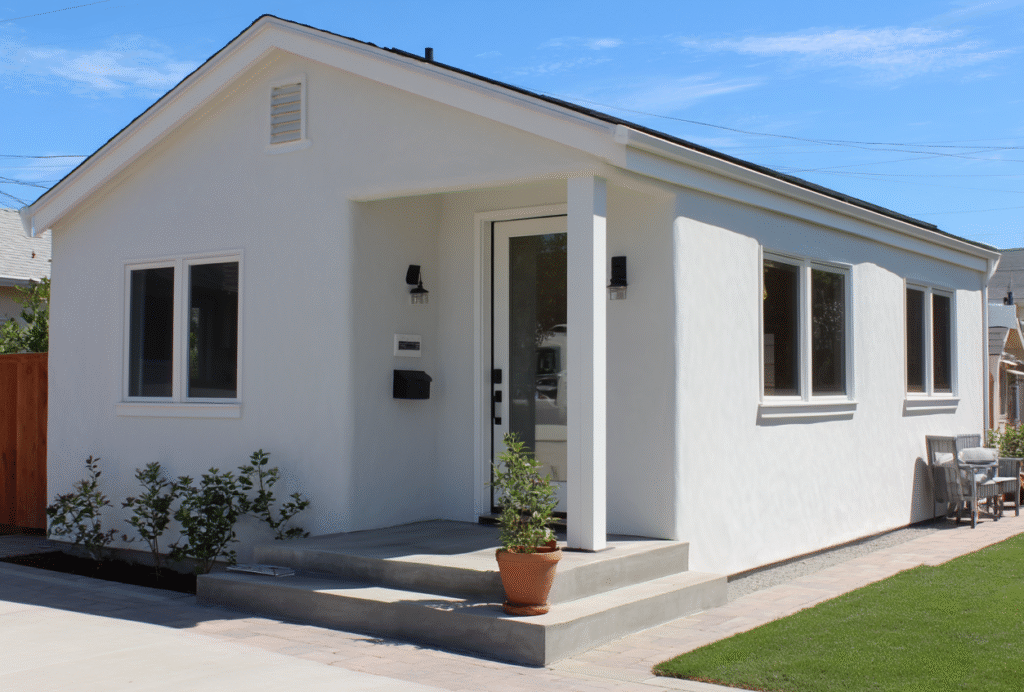
Accessory Dwelling Units promise homeowners additional living space, rental income potential, and increased property values. These benefits sound appealing until the question of actual costs arises. Vague estimates from contractors, conflicting information online, and stories of projects exceeding budgets by tens of thousands create anxiety for anyone considering an ADU.
Without a clear understanding of what drives expenses, homeowners risk either abandoning worthwhile projects due to fear of unknown costs or starting builds unprepared for the financial reality ahead.
The ADU Opportunity
ADUs have shifted from niche housing solutions to mainstream property improvements as cities relax zoning restrictions and housing affordability challenges intensify. These secondary dwelling units—whether detached cottages, garage conversions, or additions above garages—serve multiple purposes. They house aging parents, provide income through rentals, accommodate adult children, or function as home offices and guest quarters.
The financial investment required varies dramatically based on numerous factors. A basic garage conversion might cost $50,000, while a custom detached unit with high-end finishes could exceed $300,000. Understanding what influences ADU construction costs helps homeowners develop realistic budgets and make informed decisions about project scope and features.
Understanding the Key Elements of ADU Construction Costs
Size and Complexity of the ADU
Square footage represents the most significant cost driver in ADU construction. Larger units require more materials, labor hours, and time to complete. A 400-square-foot studio costs substantially less than an 800-square-foot two-bedroom unit, not simply because it’s half the size but because complexity increases with additional rooms, plumbing fixtures, and electrical requirements.
Design complexity affects costs beyond basic size considerations. Simple rectangular floor plans with standard ceiling heights cost less to build than units with multiple roof lines, vaulted ceilings, or custom architectural features. Each design element that adds visual interest typically adds construction expense.
Location and Site Preparation
Geographic location dramatically influences ADU construction costs. Labor rates, material costs, and permitting fees vary significantly between regions and even between neighboring cities. Urban areas with higher costs of living generally see higher construction expenses than rural locations.
Site-specific conditions create substantial cost variations even within the same city. Flat, accessible lots with existing utility connections cost far less to develop than sloped properties requiring retaining walls, extensive grading, or utility line extensions. Soil conditions, drainage requirements, and tree removal needs all impact site preparation budgets.
Materials and Finishes
Material choices span enormous price ranges. Basic builder-grade finishes—vinyl flooring, laminate countertops, standard appliances—keep costs manageable. Upgrading to hardwood floors, quartz counters, and premium appliances significantly increases budgets. The difference between basic and luxury finishes can represent $20,000 to $50,000 or more on typical ADU projects.
Structural material decisions also affect costs. Standard wood framing costs less than steel framing. Asphalt shingle roofing runs cheaper than metal or tile options. Fiber cement siding typically costs more than vinyl but less than natural wood. Balancing durability, aesthetics, and budget requires understanding how material choices impact both initial costs and long-term maintenance expenses.
Labor Costs
Labor represents 40-60% of total ADU construction costs in most markets. Skilled trades, including electricians, plumbers, and finish carpenters, command different rates that vary by region and project complexity. Tight labor markets with high demand for construction services drive up costs through increased wages and longer project timelines.
Working with established ADU construction services provides expertise that can actually reduce costs through efficient workflows, established supplier relationships, and experience avoiding common mistakes. While their rates may seem high, experienced contractors often complete projects faster and with fewer costly errors than less experienced alternatives.

Breaking Down the ADU Construction Cost
Basic Breakdown of Typical ADU Construction Costs
Understanding how budgets divide across construction phases helps identify where money goes:
Design and pre-construction (10-15% of total):
- Architectural plans and engineering: $5,000-$15,000
- Permit fees and impact charges: $3,000-$20,000 depending on jurisdiction
- Soil tests and surveys: $1,000-$5,000
Foundation and framing (20-25% of total):
- Foundation or slab work: $8,000-$25,000
- Framing lumber and labor: $15,000-$40,000
- Roofing materials and installation: $8,000-$20,000
Systems installation (25-30% of total):
- Electrical rough-in and finish: $10,000-$25,000
- Plumbing rough-in and fixtures: $10,000-$25,000
- HVAC systems: $8,000-$20,000
Interior and exterior finishes (30-35% of total):
- Insulation and drywall: $8,000-$18,000
- Flooring installation: $5,000-$15,000
- Kitchen and bathroom fixtures: $10,000-$30,000
- Exterior siding and trim: $8,000-$20,000
These ranges reflect typical projects and vary based on size, location, and finish quality.
Additional Costs You May Not Expect
Beyond obvious construction expenses, several costs catch homeowners by surprise. Utility connection fees for water, sewer, and electricity to new structures can range from $3,000 to $15,000 or more. Temporary utility services during construction, portable toilets, and dumpster rentals add up quickly.
Landscaping restoration after construction, new fencing, and driveway repairs frequently exceed initial estimates. Interior furnishing and appliances, if not included in construction budgets, represent additional expenses before ADUs become functional. Property tax increases from added value affect ongoing costs that many homeowners overlook during planning.
How to Get Accurate Cost Estimates
Obtaining reliable estimates requires clear project definitions before contacting contractors. Develop detailed plans showing exact dimensions, room layouts, and desired finishes. Vague concepts produce vague estimates that prove useless for actual budgeting.
Request itemized bids from multiple contractors rather than single lump-sum figures. Detailed breakdowns reveal where costs concentrate and allow for comparing bids fairly. Ensure bids include identical scopes—comparing proposals with different included elements produces meaningless results.
How to Budget for Your ADU Construction Project
Setting a Realistic Budget
Start with total available funds, including savings, financing capacity, and any other resources. Subtract 15-20% immediately as contingency for unexpected costs—projects almost never come in under initial estimates. The remaining amount represents a realistic construction budget.
Determine must-have features versus nice-to-have amenities. Prioritize spending on elements that can’t easily be upgraded later—good foundations, proper framing, quality windows—while potentially economizing on finishes that can improve over time. This prioritization ensures money goes toward long-term value rather than just appearances.
Financing Your ADU Build
Several financing options can fund ADU projects depending on available equity and creditworthiness. Home equity loans provide lump sums at fixed rates, suitable for projects with clear budgets. Home equity lines of credit offer flexibility to draw funds as needed, beneficial for projects where the exact timing of expenses is uncertain.
Cash-out refinancing replaces existing mortgages with larger loans, providing funds for construction while potentially securing lower overall interest rates. Personal loans work for smaller projects, though typically at higher rates than secured options. Some jurisdictions offer special ADU construction financing programs with favorable terms designed to encourage ADU development.
Balancing Cost and Quality
The cheapest option rarely delivers the best value. Extremely low bids often indicate inexperience, unrealistic estimates, or planned corner-cutting. Conversely, the highest bids don’t guarantee superior results. Focus on value—appropriate quality for intended use at fair prices.
Invest in quality for structural elements, waterproofing, insulation, and systems that are expensive to access or replace later. Economize on easily upgradeable finishes like paint colors, light fixtures, or cabinet hardware. This balanced approach maximizes long-term value while controlling immediate costs.

Factors That Can Increase ADU Construction Costs
Unforeseen Site Challenges
Underground surprises—old foundations, utility lines, contaminated soil, or unexpected rock—increase excavation costs substantially. Poor soil requiring additional foundation work or discovering water tables necessitating drainage systems adds expenses impossible to predict without extensive pre-construction investigation.
Design Modifications During Construction
Changes during construction almost always increase costs. Contractors charge premium rates for modifications that disrupt established workflows or require reworking completed elements. Stick with approved plans unless absolutely necessary to change, and understand that flexibility comes with financial consequences.
Permitting and Inspection Delays
Extended permitting processes delay construction starts, potentially increasing costs if material prices rise during waiting periods. Inspection failures requiring corrections and re-inspections extend timelines and associated carrying costs. Working with experienced professionals familiar with local requirements minimizes these delays.
The Role of ADU Construction Services in Managing Costs
Professional ADU construction services bring expertise that helps control costs through multiple mechanisms. Experienced contractors provide more accurate initial estimates based on having completed similar projects. They maintain supplier relationships yielding better material pricing than homeowners can access independently.
Quality contractors anticipate potential issues and plan accordingly, reducing expensive surprises during construction. Their established crews work efficiently, completing projects faster than less experienced teams. While professional services cost more hourly than handymen or unlicensed builders, the total project costs often prove lower through avoided mistakes and efficient execution.
Planning Your ADU Investment
Estimating ADU construction costs accurately requires understanding how design choices, site conditions, material selections, and labor rates interact to determine final expenses. Size, complexity, location, and finish quality all significantly impact budgets. Breaking costs into categories—design, foundation, systems, finishes—helps identify where money goes and where potential savings exist.
Successful projects start with realistic budgets that include contingencies for inevitable surprises. Appropriate ADU construction financing aligned with project timelines and homeowner financial situations prevents mid-project funding shortages. Balancing cost consciousness with quality investments ensures long-term value rather than just minimum initial expense.