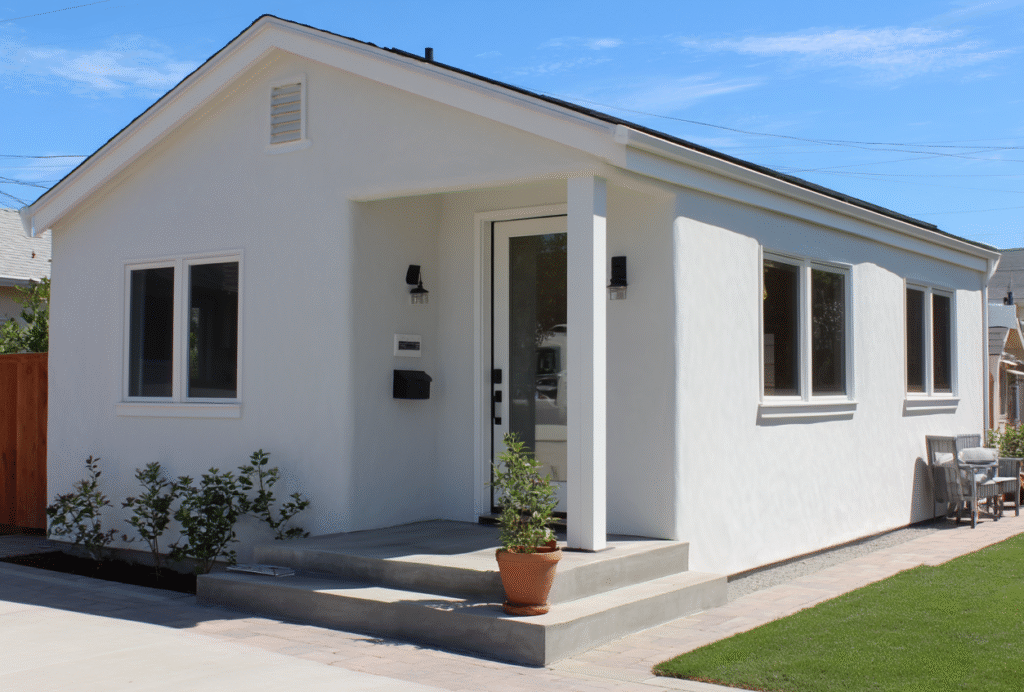
Remote work has shifted from an occasional perk to a permanent reality for millions of professionals. This change demands a dedicated workspace that supports productivity without sacrificing home comfort. Converting spare bedrooms or dining room tables into makeshift offices creates ongoing conflicts between professional responsibilities and personal life.
An accessory dwelling unit designed specifically as a workspace solves this problem by providing true separation while keeping your commute to mere steps across the yard. Whether you’re self-employed, work remotely full-time, or need professional space for side projects, designing an ADU office tailored to your specific work requirements creates an environment where you can thrive.
How an Office ADU Provides Functional Workspace With Clear Boundaries
The biggest complaint from remote workers centers on the blurred line between work and personal time. When your office occupies your bedroom or kitchen, mentally transitioning between professional and personal modes becomes nearly impossible. Emails beckon from the corner during family dinners. Unfinished projects create stress during relaxation time. The physical separation that traditional offices provided disappears entirely.
A home office ADU restores that crucial boundary. Walking out your back door to a separate structure creates a psychological transition similar to a traditional commute—you’re leaving home and entering work mode. At the end of the day, closing the ADU door behind you signals work is over, helping you be fully present with family or personal activities.
The Benefits of Having an ADU Office
Separation of Work and Home Life
The physical distance between your ADU office and main residence creates mental distance that’s difficult to achieve when working inside your home. This separation improves work-life balance, reduces stress, and helps prevent burnout that plagues many remote workers. You can establish clear work hours and stick to them because leaving the office means truly leaving work behind.
For parents, this separation proves especially valuable. Children understand that when you’re in the backyard office, you’re working—but when you’re in the house, you’re available. This clarity helps kids respect work time while ensuring you’re present during family time.
Flexibility for Different Work Styles
An adu home office accommodates various work styles and professional needs. Lawyers, therapists, and consultants can meet clients in a professional setting without inviting them into their personal living space. Creative professionals gain dedicated studio space where they can spread out projects without disrupting household activities. Remote employees have quiet zones for video conferences and focused tasks.
The flexibility extends to accommodating different work schedules, too. Night owls can work late without disturbing sleeping family members. Early risers can start their day without waking the household. This autonomy improves productivity and reduces stress for everyone.
Increased Property Value
ADUs consistently increase property values because they add functional square footage and appeal to buyers. An office ADU attracts remote workers, small business owners, and anyone needing a dedicated workspace—a growing demographic in today’s employment climate. When you eventually sell, this feature differentiates your property from comparable homes without ADUs.
Beyond resale value, an ADU office potentially generates rental income if your work situation changes. Converting it to a rental unit, guest suite, or studio space provides financial flexibility and maximizes your investment.
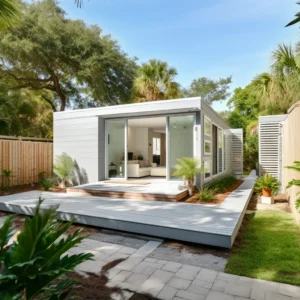
Designing an ADU Office That Meets Your Work and Home Needs
Layout and Flow for Productivity
An effective adu office layout starts with understanding your work patterns. Do you spend most of your time at a computer, or do you need space for physical projects? Will clients visit, requiring a professional meeting area? Do you collaborate virtually, needing good camera angles and lighting for video calls?
Plan distinct zones within your office space. Create separate areas for computer work, storage, meetings, and breaks. Even in compact ADUs, thoughtful furniture arrangement can delineate these zones visually and functionally. Position your desk to face windows for natural light while keeping glare off your computer screen. Place storage where it’s accessible but doesn’t clutter your primary workspace.
Incorporating Multi-Functional Design Elements
Smart design maximizes limited space through multi-functional elements. Murphy desks fold away when not in use. Built-in shelving provides storage without consuming floor space. Convertible furniture transforms your office into a guest room when family visits. These flexible solutions ensure your ADU office serves multiple purposes without feeling cramped or cluttered.
Consider whether you might eventually repurpose the space. Designs that work well as offices also function as art studios, music rooms, guest suites, or rental units. Planning for this flexibility from the start means adding a bathroom, kitchenette, or separate entrance that expands future possibilities.
Comfort and Ergonomics
You’ll spend hours daily in your adu office, making comfort and ergonomics non-negotiable. Invest in quality seating that supports proper posture. Ensure your desk height allows comfortable keyboard and mouse use. Position monitors at eye level to prevent neck strain. Add a standing desk option if you prefer alternating positions throughout the day.
Temperature control significantly impacts comfort and productivity. Properly insulated ADUs with efficient HVAC systems maintain comfortable temperatures year-round without excessive energy costs. In extreme climates, consider mini-split systems that provide both heating and cooling efficiently in small spaces.
Integrating Technology and Sustainability in Your ADU Office
Technology and Connectivity in an ADU Office
Reliable, high-speed internet access is non-negotiable for remote work. Plan for hardwired Ethernet connections in addition to WiFi for maximum speed and stability during video conferences or large file transfers. Position routers strategically for optimal coverage, or install mesh systems to eliminate dead zones.
Electrical planning deserves careful attention. Modern offices require numerous outlets for computers, monitors, printers, chargers, and equipment. Include USB charging ports in convenient locations. Add dedicated circuits for equipment that draws significant power to prevent tripped breakers during important work sessions.
Sustainable Design Elements for an ADU Office
Solar panels on your home office ADU roof generate electricity to offset operational costs while reducing environmental impact. South-facing panels in most climates produce maximum power. The relatively small roof area of an ADU means solar installation costs remain reasonable while still providing meaningful energy production.
Energy-efficient windows, proper insulation, and LED lighting reduce ongoing utility costs. Sustainable building materials like reclaimed wood, bamboo flooring, or recycled content insulation align environmental values with practical functionality. These choices often improve indoor air quality too, creating healthier workspaces.
Smart Home Features for the Modern Office ADU
Smart thermostats learn your schedule and adjust temperatures automatically, reducing energy waste while ensuring comfort during work hours. Smart lighting systems adjust brightness based on natural light levels and time of day, supporting circadian rhythms that enhance focus and energy. Voice-activated assistants control these systems hands-free, keeping you productive without interrupting workflow.
Security features like smart locks and cameras provide peace of mind, especially if your office ADU contains valuable equipment. Remote access lets you check on your office, adjust settings, or grant access to delivery personnel even when you’re away.
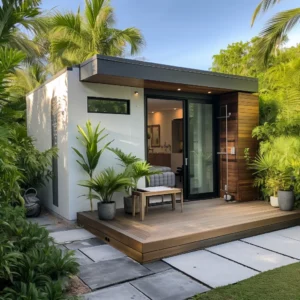
Aesthetic Design: Creating an Inspiring Work Environment
Personalizing Your ADU Office Design
Your workspace should inspire and motivate you. Choose colors, finishes, and decor that reflect your personality and professional brand. Creative professionals might embrace bold colors and eclectic furnishings, while consultants meeting clients may prefer understated elegance. The beauty of designing your own adu office is complete control over aesthetics.
Display artwork, achievements, or collections that bring you joy. These personal touches make your office feel less sterile and more inviting—a place you want to spend time rather than merely tolerate. Balance personality with professionalism, especially if clients or colleagues visit or appear in video call backgrounds.
Incorporating Natural Elements
Biophilic design—incorporating natural elements into workspaces—reduces stress and improves focus. Add plants that thrive in your office’s light conditions. Use natural materials like wood, stone, or wool in furnishings and finishes. These elements create calming environments that support sustained concentration and creativity.
Large windows connecting your office ADU to your yard or garden provide visual breaks that rest your eyes and mind. Position your desk where you can glance outside occasionally, giving your brain brief recovery periods that actually enhance overall productivity.
Creating Your Ideal Wadu Office Environment
Designing the perfect ADU office requires balancing functionality, comfort, aesthetics, technology, and sustainability. Successful designs accommodate your specific work style while providing flexibility for future needs. Thoughtful layout planning, quality ergonomic furniture, proper lighting, and reliable technology create environments where you produce your best work without the distractions inherent in home-based offices.
The separation of an office adu provides between professional and personal life represents perhaps its greatest value. This physical boundary supports mental health, strengthens relationships, and improves both work quality and home life quality simultaneously. The investment in designing and building a dedicated workspace returns value through increased productivity, property equity, and improved daily experience of both work and home.