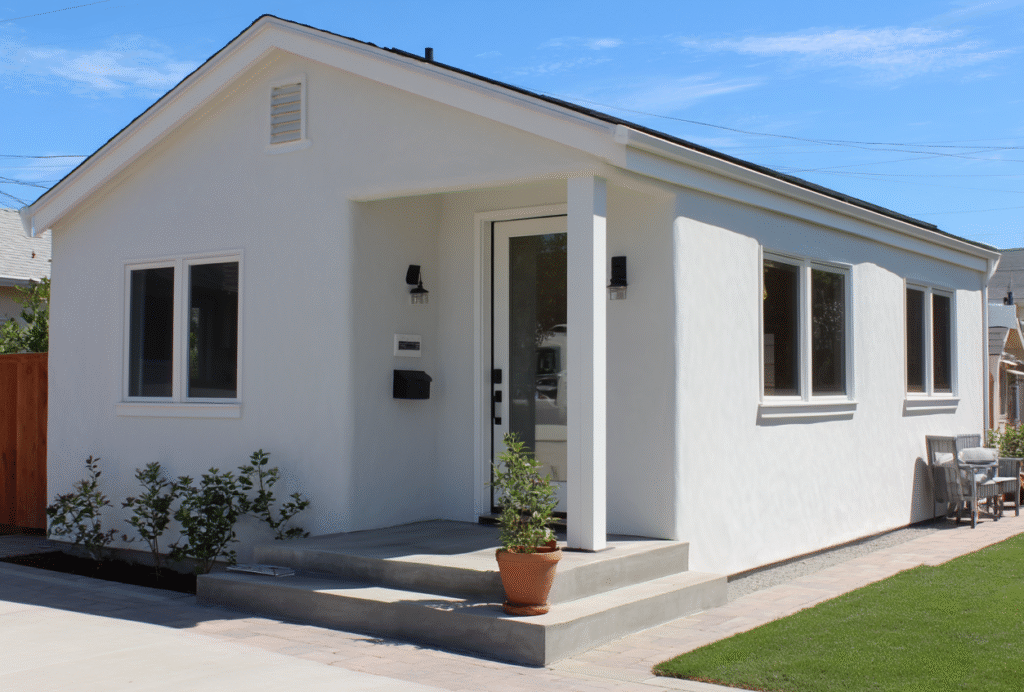
Accessory Dwelling Units, often called ADUs, are becoming one of the most popular ways to expand residential properties across Florida. Whether homeowners want to create a private space for family members, generate rental income, or increase the value of their property, building an ADU in Florida can be a practical long-term investment. However, one question always comes up early in the process:
What is the cost to build an ADU in Florida?
While every project is unique, most ADU construction projects in Florida typically range between $120,000 and $350,000 or more. Smaller conversions may cost less, while larger detached units with custom finishes can exceed that range. Understanding the factors that influence ADU construction cost in Florida can help homeowners plan their projects more confidently.
Size of the ADU
The size of the unit is one of the biggest factors affecting the cost of building an accessory dwelling unit in Florida. Larger homes require more framing materials, roofing systems, insulation, labor, and interior finishes. Most Florida ADUs fall into three common size categories. Compact studio units are usually around 400 – 500 square feet, making them ideal as guest houses or rental studios. Slightly larger units in the 600 – 800 square foot range often include a separate bedroom and feel more like a traditional small home. Some properties allow ADUs up to 900 – 1,000 square feet, depending on local ADU zoning rules in Florida.
Many municipalities limit ADU size within this range to ensure the backyard home remains secondary to the main residence. Even though larger ADUs increase the overall project price, they often reduce the cost per square foot because certain expenses – like permits and design – remain similar regardless of size.
Site Preparation and Property Conditions
The condition of the property itself can also affect the total cost of building an ADU in Florida.
Not every backyard is immediately ready for construction. Some properties require additional preparation such as leveling the land, improving drainage, or clearing trees before building can begin.
For example, homes located in areas with uneven terrain or poor drainage may need grading work to stabilize the foundation. These improvements are especially important in Florida, where heavy rain and soil conditions can impact structural stability. Site preparation costs vary depending on the property, but they can add several thousand dollars to the overall ADU project budget.
Utility Connections
A functional accessory dwelling unit in Florida must connect to essential utilities such as electricity, water, and sewer systems. When an ADU is located close to the main house, these connections can be relatively simple. However, if the backyard ADU is positioned farther from the primary residence, contractors may need to extend plumbing lines or install additional electrical infrastructure. Sometimes the main home’s systems must also be upgraded. For instance, the electrical panel may need additional capacity, or the water system may require modifications to support the new unit. Because of these factors, utility work can range from $10,000 to $40,000 or more, depending on the layout of the property.
Design, Engineering, and Permits
Every ADU project in Florida must go through a design and permitting process before construction begins. This phase usually includes architectural planning, structural engineering, energy compliance documentation, and submitting plans to the local building department for approval.
Florida has some of the strictest building codes in the United States due to hurricane and wind-load requirements. As a result, engineers must carefully design structures that can withstand severe weather conditions. Because of these regulations, the cost of ADU design and permits in Florida typically falls between $10,000 and $35,000, depending on the complexity of the project and the municipality where the property is located.
Interior Finishes and Materials
Another major factor affecting the cost to build an ADU in Florida is the selection of interior finishes.
Two ADUs with identical floor plans can end up with very different price tags depending on the materials used inside the home. Some homeowners choose practical finishes such as laminate flooring, standard cabinets, and basic plumbing fixtures. Others prefer higher-end materials like quartz countertops, custom cabinetry, premium tile showers, and designer lighting. While these upgrades can greatly improve the look and durability of the backyard home, they can also increase the project budget by $15,000 to $50,000 or more.
Type of ADU
The overall ADU construction cost in Florida also depends on the type of structure being built.
A detached ADU, which is built as a completely separate backyard home, is typically the most expensive option. This type of project requires a full foundation, roof system, exterior walls, and independent utility connections. An attached ADU, built as an extension of the main home, can sometimes reduce structural costs because certain walls or systems are shared. Another option is a garage conversion, which converts an existing structure into a livable space. Because the basic framing and roof already exist, garage conversions are often one of the most affordable ways to create an accessory dwelling unit on a Florida property.
Construction Milestones
Most ADU construction projects in Florida follow a similar series of stages. These phases include design and planning, permitting, site preparation, foundation installation, structural framing, roofing, utility installation, interior finishes, and final inspections. Each milestone requires specialized labor and materials, which together determine the final construction cost. Unexpected challenges discovered during these phases – such as soil conditions or utility upgrades – can sometimes increase the project budget.
Factors That Can Increase ADU Costs
Although many projects fall within predictable price ranges, certain conditions can raise the cost of building an ADU in Florida. These factors may include limited construction access to the backyard, custom architectural designs, extensive utility upgrades, or premium building materials. Florida’s strict hurricane-resistant building requirements can also require additional structural reinforcement.
Because of these variables, it’s always important to work with experienced Florida ADU builders who understand local regulations and construction requirements.
Final Thoughts
Building an ADU in Florida can be one of the most valuable improvements a homeowner makes to their property. Many homeowners choose to build backyard homes in Florida to create housing for family members, generate rental income, or add flexible living space to their property.
While the cost to build an ADU in Florida varies depending on design and location, careful planning and the right construction team can ensure the project delivers long-term value.
Types of ADUs We Specialize In
At Goshen Tiny Homes, we specialize in a variety of Accessory Dwelling Unit designs tailored to meet the diverse needs of Florida residents. Here’s a glimpse of our specialized services:
Detached ADUs: Standalone units that provide privacy and independence for occupants.
Attached ADUs: Expanding your living space by adding units directly to your existing home.
1-Bedroom ADUs: Efficient homes designed for people who want a balance of privacy, function, and style.
2-Bedroom ADUs: A practical option for families who want extra flexibility for guests, children, or parents.
Financing Options: Explore practical ways to fund your ADU project with greater clarity and confidence.
For more detailed information, please visit our FAQs section to understand our process and discover how we can help you create the perfect ADU for your property in Florida.
Also you can check more information here:
• https://goshentinyhomes.com/
• https://goshentinyhomes.com/adu-models/
• https://goshentinyhomes.com/adu-floor-plans/
Usefull information about laws:
• FL ADU statute §163.31771 (affordable rental condition)
• Bill analysis HB 247 (2025 changes to ADU taxation/requirements) – https://www.flsenate.gov/Session/Bill/2025/247/Analyses/h0247a.HAT.PDF (leg.state.fl.us)