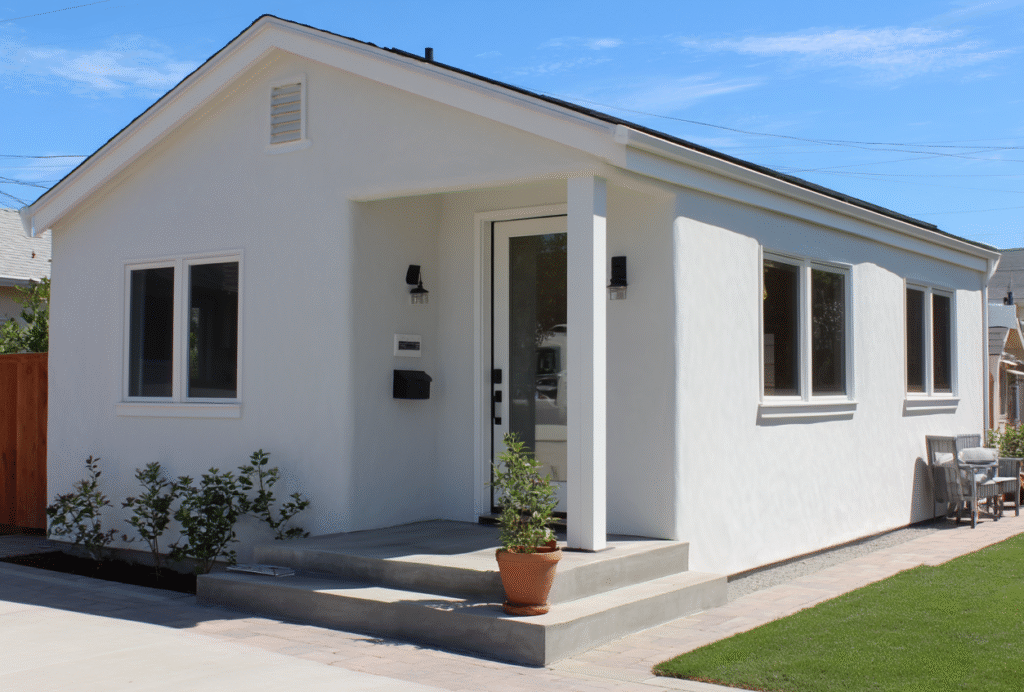
Living spaces are getting smaller, but that doesn’t mean you have to sacrifice comfort or style. Accessory Dwelling Units have become a practical solution for homeowners looking to add functional living areas without expanding their property footprint. Whether you’re planning a backyard studio, a guest house, or a rental unit, smart ADU designs can transform even the most compact spaces into comfortable, efficient homes.
This article explores how thoughtful planning and creative solutions make small ADUs work harder, offering space-efficient layouts, attractive interiors, and architectural features that maximize every square foot.
The Growing Popularity of ADUs
Accessory Dwelling Units have gained serious momentum over the past decade. More cities are updating zoning laws to allow these secondary structures, and homeowners are recognizing their value. ADUs offer flexibility that traditional home additions can’t match. They serve as rental income sources, spaces for aging parents, home offices, or independent living quarters for adult children.
The appeal goes beyond practicality. Well-designed ADU designs prove that smaller spaces can deliver everything a full-sized home offers. The key lies in understanding how to work with limited square footage rather than against it. When you strip away unnecessary elements and focus on what matters, compact living becomes surprisingly comfortable.
Thoughtful design makes the difference between a cramped unit and a space that feels open and welcoming. Every wall, window, and fixture must serve a purpose. This focused approach often results in cleaner, more efficient spaces than their larger counterparts.
What Makes ADU Designs Unique?
The best ADU designs share common characteristics that set them apart from traditional homes. These units demand a different mindset. Standard home design principles don’t always translate to smaller spaces. You need strategies specifically tailored to compact living.
Successful ADU architecture prioritizes efficiency without sacrificing livability. Rooms serve multiple purposes. Storage hides in unexpected places. The goal is to create a sense of openness while maintaining distinct functional zones. Quality also matters more than quantity. With fewer square feet to work with, every material choice becomes noticeable.

Space-Saving ADU Design Ideas
Creating functional living areas in limited square footage requires specific strategies. These approaches help maximize space without making occupants feel boxed in.
Open-Concept Layouts
Open floor plans work exceptionally well in ADUs. Removing walls between the kitchen, dining, and living areas creates visual continuity. Your eye travels farther without obstruction, which makes the brain perceive more space. This approach isn’t just about aesthetics—it improves functionality too. Natural light from windows in one zone spills into adjacent areas, and air circulates more freely.
However, you still need to define separate zones without physical barriers. Area rugs, furniture arrangement, and lighting can establish boundaries. A kitchen island provides separation while maintaining openness. These ADU design ideas prevent open layouts from feeling chaotic.
Lofted Spaces and Multi-Level Designs
Vertical space often goes unused in traditional homes. ADUs with higher ceilings can incorporate lofts for sleeping quarters or storage. This approach effectively doubles your usable square footage without expanding the building footprint. Lofted bedrooms work particularly well because they only require space for sleeping—you don’t need full standing height throughout a sleeping area.
Multi-level designs also create visual interest. Varied ceiling heights and split levels make spaces feel more dynamic and add character while serving practical purposes.
Built-In Furniture and Custom Storage Solutions
Freestanding furniture takes up valuable floor space. Built-in solutions integrate storage and function directly into the structure:
- Murphy beds that fold into walls when not in use
- Window seats with storage underneath
- Kitchen benches with pull-out drawers
- Custom storage in awkward spaces that standard furniture can’t accommodate
- Toe-kick drawers beneath cabinets
These ADU designs require more upfront investment but pay long-term dividends. Built-ins look cleaner and more intentional than collections of random furniture.
Maximizing Natural Light and Ventilation
Light and air quality dramatically affect how spacious a small area feels. Proper attention to these elements transforms compact ADU designs into pleasant living environments.
The Role of Large Windows and Glass Doors
Windows do more than illuminate interiors—they connect inside and outside, extending the perceived boundaries of your space. Floor-to-ceiling windows or glass doors blur the line between interior and exterior. Even if your ADU sits on a small lot, a glass wall facing a patio creates the illusion of additional space.
Strategic window placement also reduces energy costs. South-facing windows capture passive solar heat in winter. The right ADU architecture incorporates these principles from the start.
Cross-Ventilation Techniques
Natural ventilation costs nothing and feels better than mechanical cooling. Cross-ventilation occurs when windows or vents on opposite sides of a structure create airflow. Warm air exits through high openings while cooler air enters through low ones. Operable skylights serve double duty—they flood interiors with natural light while functioning as thermal chimneys for hot air to escape.
ADU Architecture: Blending Functionality with Aesthetics
The exterior design of your ADU matters as much as the interior. Good ADU architecture complements the main house while establishing its own identity.
Minimalist Architecture
Minimalist design philosophy aligns perfectly with compact ADUs. Clean lines, simple forms, and restrained ornamentation create sophisticated structures that don’t overwhelm small lots.
Interesting rooflines, varied materials, and thoughtful proportions create visual appeal without complexity. This architectural style also requires less maintenance—minimalist designs typically feature fewer decorative elements to upkeep.
Eco-Friendly and Sustainable ADU Design
Sustainable ADU designs reduce environmental impact, lower operating costs, and often qualify for tax incentives. Proper insulation costs a little extra during construction but dramatically reduces heating and cooling needs forever. Solar panels work particularly well on ADUs because the smaller electrical load means fewer panels are needed. Material choices like reclaimed wood, recycled metal roofing, and low-VOC paints also reduce environmental impact.
ADU Interiors: Creating Comfort in Small Spaces

Interior design determines whether your ADU feels cramped or cozy. These ADU interior principles help small spaces live larger.
Multi-Functional Interiors
Every element in a small space should serve multiple purposes. A dining table doubles as a workspace. A sofa converts into a guest bed. Kitchen islands provide storage, prep space, and seating.
Wall-mounted fold-down desks disappear when not needed. Room dividers that serve dual purposes work particularly well—a bookshelf separates sleeping and living areas while providing storage.
Color and Texture Choices
Light colors reflect light and make spaces feel larger. White, cream, and soft gray are safe choices for walls and ceilings. However, all-white spaces can feel sterile. Introduce warmth through wood tones, textiles, and accent colors. Using the same flooring throughout eliminates visual breaks that chop up square footage. Texture adds interest without requiring space—different materials like wood, stone, and metal create depth through variety.
Modern vs. Rustic Styles for ADUs
Both modern and rustic aesthetics work well in ADUs. Modern ADU design ideas emphasize clean lines and contemporary materials like polished concrete and frameless cabinets. Rustic designs incorporate natural materials, warm colors, and traditional craftsmanship with exposed wood beams and stone accents.
Many successful ADU interiors blend both styles. Modern layouts and efficient planning combine with natural materials and warm finishes. This mixed approach captures the efficiency of modern design with the warmth of rustic aesthetics.
Making Small Spaces Work
Creating successful ADU designs requires balancing competing priorities. You need adequate space for daily activities without waste, attractive aesthetics that don’t sacrifice function, and durable materials within your budget. The most successful small ADUs feel intentional rather than compromised. Every choice serves a purpose, spaces flow naturally, and quality finishes create polish.
Small but well-designed ADUs prove that size doesn’t determine quality of life. With smart planning, creative solutions, and attention to detail, compact units can provide comfortable, functional, and sustainable living solutions. Whether you’re building for family, guests, or rental income, these space-efficient ADU designs show that thoughtful design makes all the difference in maximizing limited space.
• https://goshentinyhomes.com/adu-floor-plans/
Useful information about laws:
• FL ADU Guidebook (design best practices)