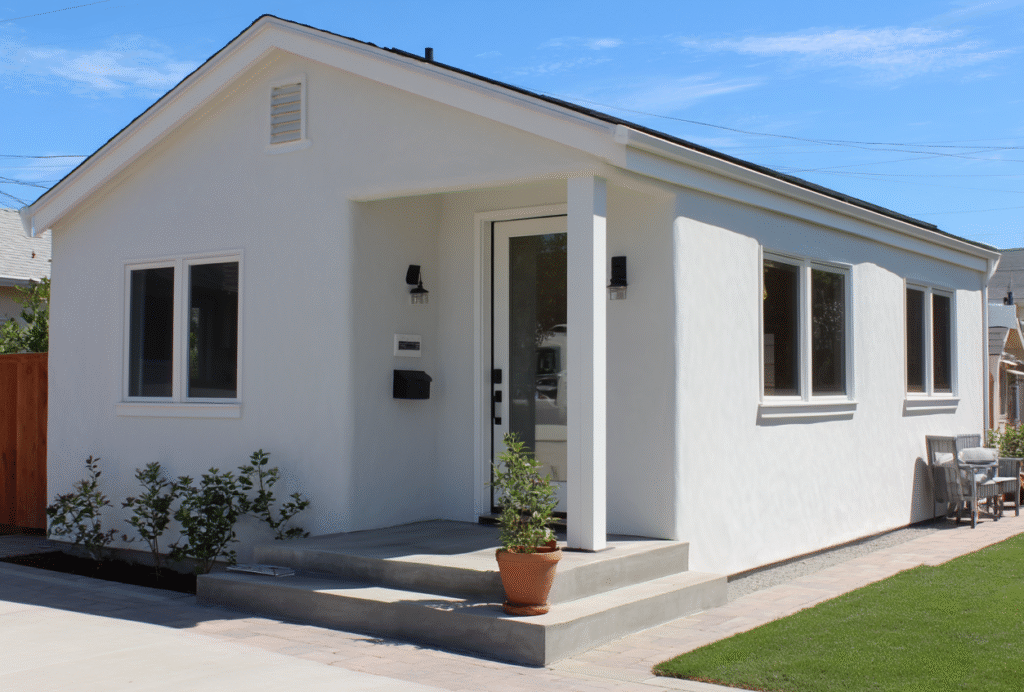
Creating your own compact dwelling sounds appealing in theory—lower costs, simplified living, and a home tailored exactly to your needs. The reality, however, involves more complexity than many first-time builders anticipate.
While the finished product can deliver everything you hope for, the process of getting there presents obstacles that catch unprepared homeowners off guard. Understanding these challenges before you start helps you plan effectively, budget realistically, and avoid common mistakes that derail projects or inflate costs beyond expectations.
The Growing Appeal of Building Custom Tiny Houses
The tiny house movement has evolved from a fringe lifestyle choice into a legitimate housing alternative that attracts diverse groups. Young professionals struggling with student debt and high rent see tiny homes as a path to ownership. Retirees looking to downsize appreciate lower maintenance requirements and utility costs. Environmental advocates value the reduced carbon footprint and minimal resource consumption.
When you build a custom tiny house, you control every detail—from layout and materials to fixtures and finishes. This customization represents the primary advantage over purchasing a pre-built model. You can design spaces that match your specific routines, incorporate features that matter most to you, and avoid paying for amenities you won’t use.
Common Challenges When Building a Custom Tiny House
Navigating Zoning and Legal Regulations
Local zoning laws present the first major hurdle when you build a custom tiny house. Many municipalities have minimum square footage requirements for permanent dwellings—often 600 to 1,000 square feet—that automatically disqualify structures under 400 square feet. Even areas without minimums may prohibit tiny homes through building codes, HOA restrictions, or land use regulations.
Some jurisdictions classify tiny homes on wheels as recreational vehicles rather than residences, which limits where you can park them and whether you can legally use them as primary dwellings. Others allow them only as accessory dwelling units (ADUs) on properties with existing primary residences, meaning you need land with a conventional house already built.
Design Limitations and Space Efficiency
Designing a functional home in 100 to 400 square feet requires serious compromises. Every decision about what to include means something else gets left out. Full-sized appliances might not fit. Closet space becomes minimal. Entertaining more than a few guests simultaneously proves difficult.
Vertical space utilization becomes critical but creates its own challenges. Lofted sleeping areas work for young, agile people, but become impractical as you age or if mobility issues develop. Steep stairs or ladders to access lofts pose safety risks, especially in the middle of the night.
Budgeting and Unexpected Costs
Initial budget estimates rarely account for all expenses involved when you build a custom tiny house. Beyond construction costs, you’ll face expenses for land purchase or rental, site preparation, utility connections, permits and fees, delivery charges, and furnishings designed for small spaces.
Hidden costs appear throughout the project. Soil testing might reveal problems requiring expensive solutions. Local codes could mandate upgrades to your electrical or plumbing plans. Weather delays extend timelines and increase labor costs. Material shortages force substitutions that cost more than the original specifications.
Here are common budget items that first-time builders frequently underestimate:
- Site preparation, including grading, clearing, and drainage solutions
- Utility connections for water, sewer, and electrical service
- Permit fees, inspection costs, and engineering review charges
- Specialized fixtures and appliances sized for tiny homes
- Custom furniture and built-in storage solutions
- Delivery and transportation if built off-site
- Hurricane or earthquake-resistant features required by local codes
- Insurance coverage during construction and after completion
- Landscaping and outdoor amenities
- Storage for possessions that don’t fit in your new home

Securing Financing for a Custom Tiny House
Traditional mortgage lenders typically won’t finance tiny homes, especially mobile models not permanently attached to land. Banks view these structures as higher risk due to limited comparable sales data, resale concerns, and difficulty classifying them within existing loan categories.
Alternative financing options include personal loans, RV loans for mobile tiny homes, construction loans if you own land, or home equity loans using existing property as collateral. Each option has drawbacks—personal loans carry higher interest rates, RV loans require treating your home as a vehicle, and construction loans involve complex paperwork and progress inspections.
Finding the Right Contractor and Builder
Not all contractors have experience with tiny homes, and working with someone unfamiliar with the unique challenges can cause serious problems. Electrical systems, plumbing layouts, weight distribution, and structural requirements differ significantly from conventional construction. A custom tiny home builder who specializes in these structures understands building codes, efficient space planning, and construction techniques specific to small dwellings.
Vetting potential builders requires diligence. Request references and actually contact previous clients. Visit completed projects to see quality firsthand. Verify licensing, insurance, and any specialized certifications. Review contracts thoroughly before signing and ensure everything discussed verbally appears in writing.
Managing the Timeline and Delays
Even well-planned projects face delays when you build a custom tiny house. Weather disruptions, material shortages, permit approval bottlenecks, and contractor scheduling conflicts all push completion dates back. What you expected to take three months might stretch to six or more.
These delays create cascading problems. If you’ve given notice on a current residence, you might need temporary housing. Construction loans accrue interest during extended timelines. The longer projects run, the more opportunity for scope creep—additional features and upgrades that inflate final costs.
How to Overcome These Challenges
Thorough Research and Planning
Successful projects start with comprehensive research months before construction begins. Study local zoning laws, building codes, and permit requirements in detail. Visit existing tiny homes to understand what works and what doesn’t in real-world use. Join online communities where tiny home owners share experiences and advice.
Create detailed plans that account for your actual lifestyle. Track how you use your current space for several weeks—which rooms you spend time in, what storage you access regularly, and which appliances you truly need. This data informs design decisions based on reality rather than assumptions.
Budgeting and Cost Management Strategies
Develop itemized budgets with specific costs for every component. Get multiple quotes for major expenses like land, construction, and utilities. Track all spending throughout the project to catch budget overruns early when you can still make adjustments.
Consider phasing your project if funds are limited. Build core living spaces first, then add luxury features later as budget allows. This approach gets you into your home sooner while spreading costs over time.
Choosing the Right Custom Tiny Home Builder
Work with a custom tiny house builder who specializes in small-scale construction and understands local regulations. A custom ADU builder with experience in your area brings valuable knowledge about permitting processes, approved materials, and inspector expectations.
Don’t select based solely on price. The cheapest bid often comes from builders who underestimate complexity or plan to cut corners. Focus on value—quality construction, clear communication, realistic timelines, and warranties that protect your investment.

How a Custom Tiny Home Can Enhance Your Lifestyle
Flexibility and Mobility
Mobile tiny homes offer relocation flexibility impossible with conventional houses. Job changes, family needs, or a simple desire for new surroundings become manageable when your home moves with you. Even stationary tiny homes on permanent foundations provide flexibility through lower financial obligations that don’t tie you down.
Maximizing Space for Your Needs
Custom design means every inch serves your specific requirements. If you cook extensively, allocate more space to the kitchen. Work from home? Prioritize a functional office area. Outdoor enthusiasts might minimize interior square footage in favor of covered porches and outdoor living spaces.
Long-Term Financial and Environmental Benefits
The savings compound over the years of ownership. Lower utility bills, reduced maintenance costs, minimal property taxes, and freedom from large mortgage payments free up income for other priorities—travel, hobbies, savings, or career changes that might not be possible while carrying conventional housing expenses.
Environmental benefits extend beyond construction. Smaller homes consume less energy for heating and cooling dramatically. Many custom tiny house builder options incorporate solar panels, efficient appliances, and sustainable materials that further reduce your ecological footprint throughout the home’s lifetime.
Building Your Custom Tiny House Successfully
When you build a custom tiny house, expect challenges around zoning, financing, design, budgeting, and contractor selection. These obstacles are manageable with thorough planning, realistic expectations, and the right professional guidance. Success requires research before you start, careful vetting of builders, comprehensive budgets with contingency funds, and active involvement throughout construction.
Working with an experienced custom tiny house builder who understands local regulations and specialized construction techniques dramatically improves outcomes. While the process demands patience and problem-solving, the result—a home perfectly tailored to your needs at a fraction of conventional housing costs—makes the effort worthwhile for those committed to simplified, intentional living.