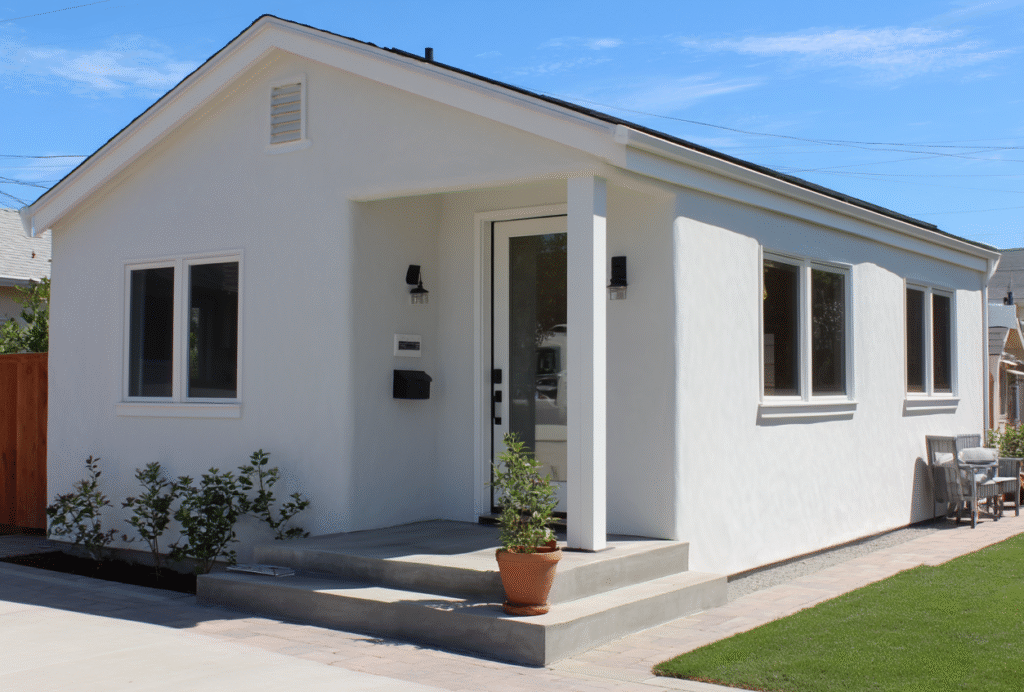
Accessory Dwelling Units (ADUs) have surged in popularity as homeowners seek ways to maximize property value, generate rental income, or accommodate extended family. A 2-bedroom ADU offers particular appeal by providing sufficient space for small families, couples, or roommates while remaining compact enough to fit on typical residential lots.
These self-contained units include full kitchens, bathrooms, and living areas, functioning as complete homes despite their smaller footprint. Building one requires careful planning across design, budget, and regulatory considerations to create a functional space that serves your needs for years to come.
Key Design Considerations for a Functional 2 Bedroom ADU
Layout and Floor Plan
The foundation of any successful 2-bedroom ADU lies in thoughtful floor plan design. Efficient 2-bedroom ADU plans maximize livable space while maintaining comfortable circulation and privacy. Open-concept layouts combining kitchen, dining, and living areas create spaciousness in compact square footage, typically ranging from 600-1,200 square feet, depending on local regulations and lot constraints.
Consider how rooms connect and flow. Placing bedrooms on opposite ends of the unit provides privacy for occupants. Positioning bathrooms adjacent to bedrooms reduces plumbing runs and costs while creating logical functional zones. An open living area in the center serves as the unit’s heart, with private spaces flanking it.
Space Optimization
Every square foot matters in ADU design. Built-in storage, multi-functional furniture, and strategic room sizing optimize limited space, rather than creating two large bedrooms and cramped common areas. Balance bedroom sizes with comfortable living spaces where occupants spend most of their time.
Vertical space often goes underutilized. Higher ceilings create openness and allow for upper cabinets, loft storage, or tall bookcases. In areas with adequate ceiling height, consider whether sleeping lofts or second-story spaces make sense for your 2-bedroom ADU design.
Privacy and Flow Between Rooms
Acoustic privacy matters when multiple people share small spaces. Position bedrooms away from high-activity areas like kitchens and living rooms when possible. Sound-dampening insulation between rooms, solid-core doors, and strategic placement of loud appliances improve livability.
Visual privacy deserves attention, too. Avoid floor plans requiring passage through one bedroom to reach another. Ensure bathrooms don’t open directly into living areas. Strategic window placement provides natural light while maintaining privacy from neighboring properties.
Energy Efficiency and Sustainability
Smaller spaces inherently use less energy, but deliberate efficiency measures enhance this advantage. Quality insulation, energy-efficient windows, LED lighting, and high-efficiency HVAC systems reduce operating costs significantly over the unit’s life. These investments cost more initially but pay for themselves through lower utility bills while making the ADU more comfortable and marketable.
Solar orientation affects heating and cooling needs. Position the 2-bedroom ADU to maximize natural light while minimizing heat gain in summer. Overhangs, awnings, or strategic landscaping provide shade during hot months while allowing winter sun penetration.

Practical Features to Include in Your 2 Bedroom ADU
Kitchen and Bathroom Design
Full kitchens make ADUs functional for long-term occupancy. While compact, they should include full-size appliances, adequate counter space, and sufficient storage. Galley or L-shaped layouts work well in smaller footprints, maximizing efficiency without feeling cramped.
Bathroom design balances functionality with space constraints. Full bathrooms with tubs appeal to families, while shower-only bathrooms save space and often suffice for adults. Consider whether a second half-bath adds value—it improves functionality for two-bedroom occupancy but consumes valuable square footage and increases plumbing costs.
Storage Solutions
Adequate storage prevents ADUs from feeling cluttered. Built-in closets in bedrooms, pantry space in kitchens, and linen storage for bathrooms are fundamental. Consider under-stair storage if your design includes a second floor, built-in benches with storage underneath, or wall-mounted systems that maximize vertical space.
Outdoor storage for items like bicycles, tools, or seasonal items keeps the interior uncluttered. Small sheds, storage closets accessible from outside, or covered areas under stairs or porches provide space for items that don’t belong inside living areas.
Outdoor Living Space
Even small outdoor spaces significantly enhance livability. Covered porches, small patios, or decks extend living areas and provide transition zones between indoors and outdoors. These spaces might only measure 6×8 feet but offer tremendous value for morning coffee, small gatherings, or simply accessing outdoor air and views.
Thoughtful landscaping creates privacy, softens the structure’s appearance, and helps integrate the ADU into your existing property aesthetically. Low-maintenance plantings around the perimeter look attractive without requiring extensive care.
Cost Considerations and Budgeting for a 2 Bedroom ADU
Estimating the Cost of a 2 Bedroom ADU
The 2-bedroom ADU cost varies significantly based on location, size, finishes, and site conditions. National averages range from $150,000-$400,000 for professionally built units, though costs in high-cost areas like California can exceed $500,000. Per-square-foot costs typically run $200-$400 for standard construction, with luxury finishes pushing costs above $500 per square foot.
Site preparation, utility connections, and permitting add to base construction costs. Flat, easily accessible sites cost less to prepare than sloped lots requiring retaining walls or extensive grading. Utility connection costs depend on distance from existing services—connecting to utilities 100 feet away costs significantly more than tapping into services 20 feet from the ADU location.
Budgeting for Materials and Construction
Material choices dramatically impact final costs. Standard finishes and fixtures keep budgets manageable while still providing quality construction. Premium countertops, high-end appliances, custom cabinetry, and luxury flooring significantly increase expenses but may be warranted if the 2-bedroom ADU serves as long-term housing for family members or if rental market conditions support higher rents, justifying the investment.
Labor represents 40-60% of total construction costs in most markets. General contractors typically charge a 10-20% markup over subcontractor and material costs for project management. Some homeowners save money by acting as their own general contractors, but this requires time, knowledge, and willingness to coordinate multiple trades.
Financing Your 2 Bedroom ADU Project
Several financing options exist for ADU construction. Home equity loans or lines of credit leverage your property’s equity at typically favorable interest rates. Cash-out refinancing allows accessing equity while potentially securing better mortgage rates. Construction loans provide funds in stages as construction progresses, though they require converting to permanent financing after completion.
Some municipalities offer ADU-specific financing programs with favorable terms to encourage ADU construction as housing solutions. Research local programs that might reduce financing costs or provide grants offsetting development expenses.

Legal and Regulatory Considerations for a 2 Bedroom ADU
Zoning and Permitting
ADU regulations vary dramatically by jurisdiction. Many areas have recently liberalized ADU rules to encourage development, but restrictions on size, height, setbacks, parking requirements, and occupancy still apply. Research your municipality’s specific ADU ordinances before finalizing 2-bedroom ADU plans—some areas cap total ADU size at levels that preclude two bedrooms, while others impose restrictions that affect design significantly.
Permitting processes typically take 2-6 months, though complex projects or overwhelmed permit offices may take longer. Budget time for this process when planning construction timelines. Working with designers and builders experienced with local ADU permitting accelerates approvals and reduces rejection risks.
Compliance with Building Codes
Building codes ensure ADU safety, durability, and livability. Requirements cover structural integrity, fire safety, electrical systems, plumbing, energy efficiency, and accessibility. Pre-designed 2-bedroom ADU plans should already comply with common code requirements, though local amendments might require modifications.
Inspections occur at various construction stages—foundation, framing, electrical, plumbing, and final. Passing all inspections is required for occupancy certificates, allowing legal ADU use. Experienced builders anticipate inspector expectations and ensure code compliance throughout construction rather than addressing violations after the fact.
Land Use Restrictions and HOA Rules
Beyond municipal regulations, private restrictions may affect ADU development. Some homeowner associations prohibit ADUs entirely or impose restrictions beyond municipal requirements. Review your property’s covenants, conditions, and restrictions (CC&Rs) before investing in planning. If you’re researching a 2-bedroom ADU for sale on a property you’re considering purchasing, verify that ADU development is allowed and understand applicable restrictions.
Historic districts may impose design requirements ensuring ADUs match the neighborhood character. These requirements affect exterior materials, colors, architectural details, and placement, potentially increasing costs or limiting design freedom.
Essential Planning Checklist
When planning your 2-bedroom ADU, address these considerations:
- Verify local ADU regulations regarding size, height, and setbacks
- Confirm your lot meets requirements for ADU development
- Determine intended use—rental income, family housing, or future flexibility
- Establish a realistic budget, including contingency for unexpected costs
- Review 2-bedroom ADU plans, ensuring efficient layout and functionality
- Research financing options and secure funding before starting
- Understand the permitting timeline and requirements
- Select experienced designers and builders familiar with ADU construction
- Plan utility connections and assess site preparation needs
- Consider long-term operating costs, including utilities and maintenance
- Ensure adequate parking as required by local regulations
Final Thoughts
Building a functional 2-bedroom ADU adds significant value to your property while providing flexible space for various uses. Whether generating rental income, housing family members, or creating a dedicated work-from-home space, thoughtful planning ensures your ADU meets needs efficiently while complying with regulations and staying within budget.
Success requires balancing competing priorities—maximizing functionality while controlling the 2-bedroom ADU cost, creating attractive spaces within limited square footage, and navigating regulatory requirements while achieving design goals. Working with experienced professionals familiar with ADU development in your area helps navigate these challenges and avoid costly mistakes.