Purchasing a home ranks among life’s most significant financial decisions, requiring careful planning, research, and preparation. Whether you’re a first-time buyer excited about homeownership, a growing family needing more space, or an investor expanding your real estate portfolio, understanding the process of buying single-family homes for sale helps you make informed choices that serve your needs and protect your investment.
The complexity of real estate transactions—from financing to inspections to negotiations—can feel overwhelming, but breaking down the process into manageable steps makes the experience less stressful and more successful.
What Are Single-Family Homes?
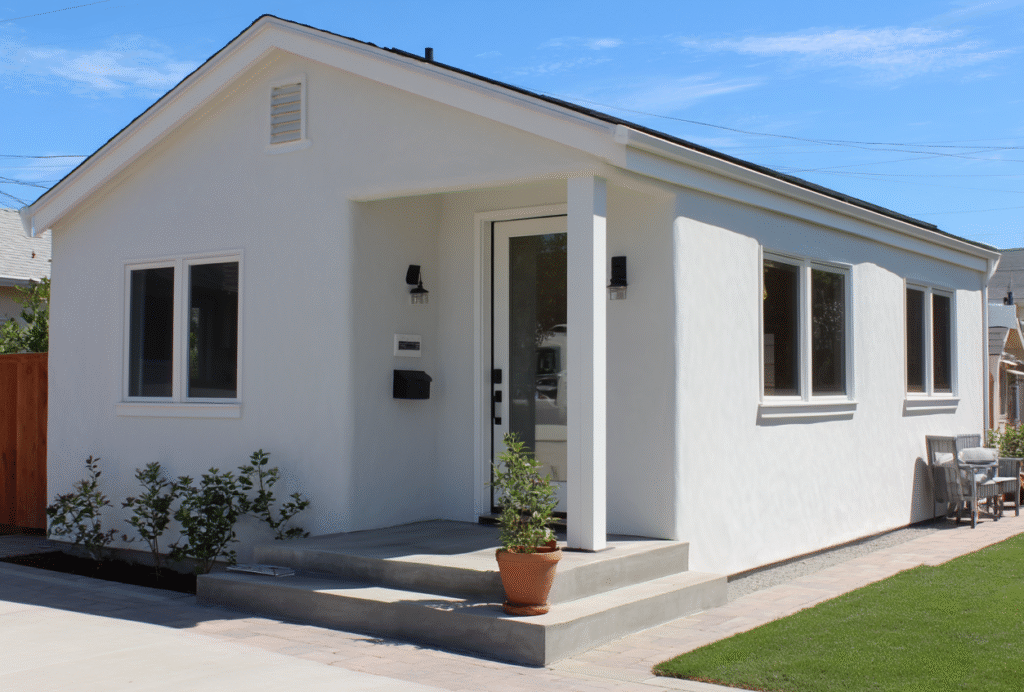
What are single-family homes in technical terms? They’re detached residential structures designed to house one family, sitting on their own parcels of land. Unlike townhouses, condominiums, or duplexes, where units share walls or common areas, single-family homes stand independently with defined property boundaries. Owners typically control both the structure and the land it occupies, providing autonomy over improvements, landscaping, and property use within local regulations.
This independence creates both opportunities and responsibilities. You can renovate, paint, landscape, or modify your property without HOA approvals or neighbor concerns about shared structures. However, you’re also solely responsible for all maintenance, repairs, and property costs without shared expenses or management companies handling issues.

The Different Types of Single-Family Homes
New Single Family Homes
New single-family homes offer modern designs, current building codes, energy efficiency, and warranty protection. Builders typically offer various floor plans and customization options, allowing buyers to select finishes, colors, and sometimes structural modifications before construction is completed. Everything is new—appliances, systems, roofing, and finishes—eliminating immediate repair concerns.
However, new single-family homes for sale typically cost 10-20% more than comparable existing homes. You’re paying for modern features, energy efficiency, and the peace of mind that nothing needs immediate replacement. New construction often occurs in developing subdivisions where infrastructure, landscaping, and community amenities may still be incomplete. Consider whether premium pricing justifies the benefits for your specific situation.
Existing Single-Family Homes
Existing homes, also called resale homes, make up the majority of single-family homes for sale at any given time. These properties offer advantages, including established neighborhoods with mature landscaping, existing schools and amenities, and often more character than cookie-cutter new construction. Prices typically run lower than new builds, though renovation needs may offset initial savings.
Age brings considerations. Older homes may need updates to electrical systems, plumbing, HVAC, or roofing. The previous owners’ maintenance quality affects the current condition. However, established neighborhoods offer predictability—you can see exactly what you’re buying into regarding neighbors, traffic patterns, and community character.
Luxury Single-Family Homes
Luxury single-family homes feature premium locations, high-end finishes, larger square footage, and upscale amenities like pools, home theaters, or smart home technology. These properties serve buyers seeking elevated living standards and typically include custom features, premium materials, and detailed craftsmanship.
Luxury homes require larger down payments, higher property taxes, increased insurance costs, and more expensive maintenance. Ensure your budget accommodates not just purchase price but ongoing ownership costs that scale with property value and features.
Understanding Real Estate Market Trends
Understanding Local Market Conditions
Real estate is inherently local. National trends matter less than conditions in your specific market or even neighborhood. Research local inventory levels, average days on market, and whether you’re in a buyer’s or seller’s market. High inventory with properties sitting unsold favors buyers with negotiating leverage. Low inventory with multiple offers on properties favors sellers who can command higher prices and better terms.
Work with experienced local real estate agents who understand neighborhood nuances, pricing trends, and what properties typically sell for versus listing prices. Their market knowledge helps you make competitive offers without overpaying or losing properties to overbidding.
Current Trends in Single-Family Home Purchases
Recent trends show increased demand for single-family homes driven by remote work enabling location flexibility, millennials reaching peak homebuying age, and preferences for space and privacy following pandemic experiences. This demand has pushed prices higher in many markets while inventory remains constrained.
Interest rate fluctuations significantly impact affordability. Even small rate changes affect monthly payments substantially on typical mortgages. Monitor rate trends and consider how changes might affect your purchasing power and budget.
How to Evaluate the Cost of a Single-Family Home
Determining Your Budget
Establish realistic budgets before browsing single-family homes for sale. Calculate what monthly payment you can comfortably afford without stretching finances dangerously. Lenders may approve loans higher than what’s prudent for your situation. Use conservative estimates accounting for other financial goals, emergency savings, and lifestyle expenses beyond housing.
The traditional 28/36 rule suggests housing costs shouldn’t exceed 28% of gross monthly income, and total debt payments shouldn’t exceed 36%. While not absolute, these guidelines prevent overextending yourself. Include property taxes, insurance, HOA fees if applicable, and estimated utilities in monthly cost calculations.
Comparing Prices of New vs. Existing Homes
New single-family homes command premiums but offer benefits that may justify costs—modern layouts, energy efficiency, warranties, and no immediate repairs. Existing homes cost less initially but may require updates or repairs shortly after purchase. Calculate total costs, including anticipated improvements, when comparing options.
Consider long-term value as well. Energy-efficient new homes save money monthly on utilities. Existing homes in established, desirable neighborhoods may appreciate faster than new construction in developing areas. Weigh immediate costs against long-term financial implications.
Hidden Costs of Homeownership
Beyond mortgage payments, homeownership involves substantial additional expenses. Property taxes vary dramatically by location—research exact amounts for properties you’re considering. Homeowner’s insurance costs depend on location, home value, and coverage levels. Maintenance and repairs average 1-2% of home value annually.
Other costs include utilities, HOA fees where applicable, pest control, lawn care, and eventual replacements of major systems like HVAC, roofing, or appliances. Budget for these expenses to avoid financial stress after purchasing.

Financing Your Single-Family Home Purchase
Available Financing Options
Most buyers require mortgages to purchase homes. Conventional loans typically require 3-20% down, depending on programs and credit qualifications. FHA loans accommodate lower down payments (as low as 3.5%) but include mortgage insurance. VA loans offer zero-down options for qualifying veterans and service members. USDA loans provide rural property financing with minimal down payments.
Each loan type has specific requirements, benefits, and drawbacks. Meet with multiple lenders to compare options, rates, and programs suiting your financial situation. Pre-approval demonstrates seriousness to sellers and clarifies your budget before house hunting begins.
Down Payment and Closing Costs
Down payments range from 0-20% of the purchase price, depending on loan programs. Larger down payments reduce monthly payments, eliminate private mortgage insurance requirements, and strengthen offers in competitive situations. However, they also require significant liquid assets upfront.
Closing costs add 2-5% of the purchase price for loan origination fees, title insurance, appraisals, inspections, and various administrative charges. Budget for these separately from down payments—a $300,000 home might require $6,000-$15,000 in closing costs beyond your down payment.
Understanding Mortgage Rates and Terms
Interest rates dramatically affect total costs over loan lifespans. On a $300,000 mortgage, a 1% rate difference changes monthly payments by roughly $200 and total interest by over $60,000 across 30 years. Monitor rates and lock favorable rates once found.
Loan terms typically run 15 or 30 years. Fifteen-year mortgages offer lower interest rates and massive long-term savings but require higher monthly payments. Thirty-year mortgages provide affordable monthly payments but cost more in total interest. Choose terms that align with your financial situation and goals.
The Home Inspection Process
What to Look for During a Home Inspection
Professional home inspections reveal property conditions before purchase. Inspectors examine structural integrity, roofing, electrical systems, plumbing, HVAC, foundation, and more. This process typically costs $300-$500 but can save thousands by identifying problems before closing.
Attend inspections to ask questions and better understand the property. Inspectors explain findings and help you distinguish between minor issues and major concerns requiring repairs or price renegotiation. Some findings might prompt requesting seller repairs or asking for closing cost credits to offset needed fixes.
The Closing Process
Closing transfers property ownership from the seller to the buyer. You’ll sign extensive paperwork, pay closing costs and down payment, and receive keys. Review closing disclosure documents carefully at least three days before closing to verify all numbers match expectations.
Title companies or attorneys typically coordinate closings, ensuring proper documentation, fund transfers, and legal compliance. Bring required identification and payment methods (usually wire transfer or cashier’s check) as specified by your closing agent.
Essential Considerations Checklist
Before purchasing single-family homes for sale, verify:
- Pre-approval for adequate financing
- Realistic budget including all ownership costs
- Understanding of local market conditions
- Professional home inspection completion
- Clear title without liens or disputes
- Homeowner’s insurance quotes and coverage
- Property tax amounts and payment schedules
- HOA rules and fees, if applicable
- Utility costs and service providers
- School districts and quality, if relevant
- Commute times and transportation access
- Neighborhood safety and character
- Future development plans in the area
Final Thoughts
Purchasing single-family homes for sale represents a major financial commitment requiring careful preparation and informed decision-making. Understanding market conditions, securing appropriate financing, budgeting realistically for all ownership costs, and conducting thorough due diligence protects your investment and prevents buyer’s remorse.
Whether pursuing new single-family homes for sale with modern features and warranties or existing homes in established neighborhoods with character and value, success comes from approaching the process methodically. Work with experienced real estate professionals, conduct proper inspections, understand all costs beyond purchase price, and ensure properties meet both your current needs and foreseeable future requirements.