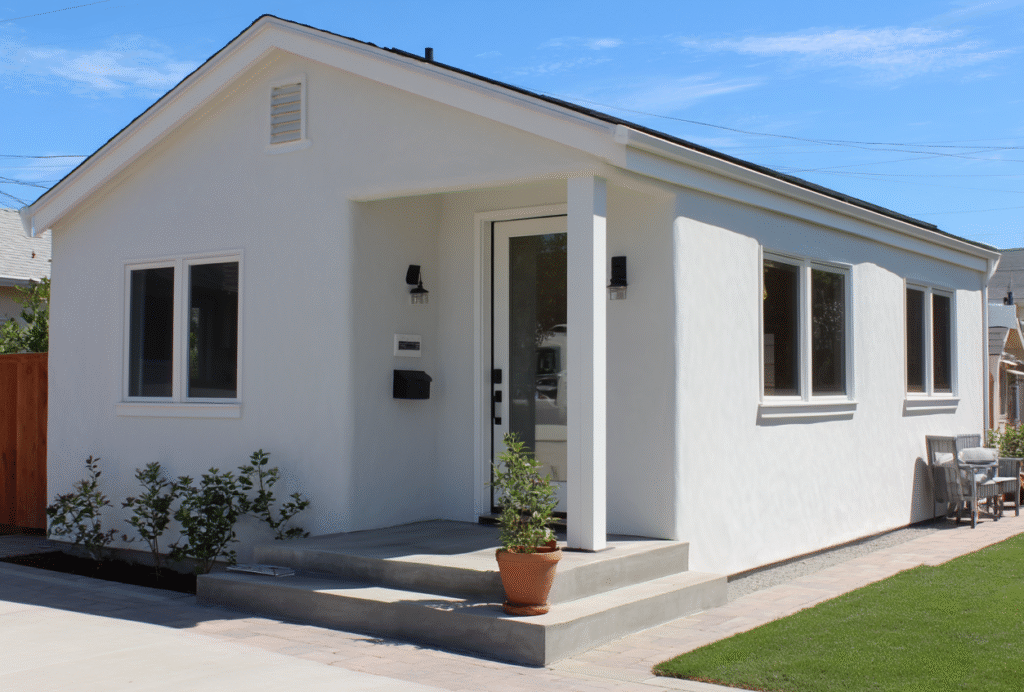
Backyards across America sit underutilized—expanses of grass that get mowed weekly but serve little functional purpose. Meanwhile, homeowners struggle with common space challenges: adult children returning home with nowhere to stay, aging parents needing nearby accommodations, work-from-home setups cramping family life, or desires for rental income without becoming landlords to strangers.
The solution to both problems might be waiting right outside the back door. A compact, well-designed structure tucked into that underused yard space could address multiple needs while adding significant property value and functionality.
The Backyard Tiny Home Revolution
Tiny homes have captured attention as alternatives to expensive traditional housing, but their application extends beyond primary residences. Building a tiny home for backyard use creates flexible space serving countless purposes—home offices, guest accommodations, rental units, art studios, meditation retreats, or housing for family members seeking independence while staying close.
This backyard application offers advantages over typical tiny home challenges. Existing properties provide land, eliminating purchase costs and simplifying utility connections. Proximity to main houses allows sharing some amenities while maintaining privacy.
The trend toward remote work has accelerated interest in a dedicated workspace separated from household activity. A tiny home for backyard offices provides this separation without lengthy commutes, creating professional environments just steps from main residences.
What You Need to Know Before Building a Tiny Home in Your Backyard
Zoning and Legal Considerations
The question “Can I put a tiny home in my backyard?” has no universal answer—regulations vary dramatically by jurisdiction. Some cities actively encourage accessory structures through streamlined permitting, while others restrict them through minimum size requirements or outright prohibitions.
Most jurisdictions classify backyard structures as Accessory Dwelling Units (ADUs), subject to specific regulations. Common restrictions include maximum size limits, setback requirements from property lines, height limitations, and parking mandates. Research local zoning codes thoroughly before planning. Contact municipal planning departments to understand specific requirements for your property.
Size and Design Limitations
Size restrictions typically limit backyard structures to 800-1,200 square feet maximum. These limitations force efficient design that maximizes functionality within constrained footprints. Setback requirements dictate how close to property lines structures can sit—typically 5-20 feet from side and rear property lines.
Height restrictions prevent structures from blocking neighbors’ light or views, commonly ranging from 16 to 25 feet. These limits effectively cap structures at one or one-and-a-half stories, influencing design significantly for those aiming to maximize square footage.
Utility Connections and Off-Grid Solutions
Connecting to existing utilities simplifies construction but requires proper permits and potentially costly infrastructure extensions. Electrical service might need panel upgrades. Water and sewer lines require professional installation. These connections typically cost $5,000-$15,000.
Off-grid alternatives reduce utility connection costs but require upfront investments:
Power and water solutions:
- Solar panel systems with battery storage provide electrical independence
- Rainwater collection systems supplementing municipal water
- Composting toilets eliminate sewer connection requirements
- Gray water systems recycle water for irrigation

Design Ideas for Your Backyard Tiny Home
Layout and Space Optimization
Efficient layouts distinguish comfortable tiny homes from cramped ones. Open floor plans maximize perceived space. Multi-functional furniture—Murphy beds, fold-down desks, convertible dining tables—provides flexibility. Vertical space utilization through lofts and wall-mounted storage adds capacity without consuming floor area.
Consider intended uses when planning layouts. A tiny home for backyard office spaces prioritizes desk areas and storage over full kitchens. Guest accommodations need comfortable sleeping areas and adequate bathrooms. Rental units require complete kitchens and living areas supporting independent daily life.
Aesthetic Design Choices
Design aesthetics for a tiny home in backyard settings should complement the main houses while expressing their own character. Matching exterior materials creates visual cohesion. Window placement dramatically affects both interior feel and exterior appearance. Abundant windows bring natural light that makes small spaces feel larger.
Interior design for small spaces benefits from light colors that reflect light and create airiness. Minimalist approaches work well, though thoughtful decoration makes spaces feel finished rather than stark.
Sustainable and Eco-Friendly Features
Sustainability appeals to many who build backyard structures. Compact size inherently reduces resource consumption. Choosing sustainable materials—reclaimed wood, recycled metal roofing, low-VOC finishes—further minimizes environmental impact.
Energy efficiency through proper insulation, high-performance windows, and efficient appliances reduces operating costs. Solar panels transform structures into energy producers. Water conservation through low-flow fixtures cuts consumption significantly.
Steps to Building Your Backyard Tiny Home
Step 1: Planning and Permitting
Successful projects begin with thorough planning. Define intended uses, desired features, and budget parameters. Research local regulations to understand what’s permissible. Submit permit applications with complete documentation—architectural drawings, site plans, engineering calculations, and required forms.
Step 2: Budgeting for the Project
Realistic budgets account for all project phases. Basic construction for a backyard tiny home typically costs $50,000-$150,000, depending on size, features, and regional construction costs. Include pre-construction expenses—design fees, permits, site surveys—in budgets. Add 15-20% contingency for unexpected costs.
Step 3: Choosing the Right Contractor or DIY
Hiring experienced contractors provides expertise, proper licensing, and insurance protection. Professional construction typically completes faster with fewer problems. However, contractor costs represent significant budget portions.
DIY construction saves money but requires a realistic assessment of skills and time availability. Building codes require permits and inspections regardless of who does the work. Hybrid approaches using contractors for complex work, while handling finish tasks yourself, balance cost savings with professional quality.
Step 4: Construction and Timeline
Typical construction timelines run 3-6 months from permit approval to completion. Site preparation and foundation work begin the process, followed by framing, roofing, and exterior completion. Rough-in of electrical, plumbing, and mechanical systems precedes insulation and drywall. Finish work, including flooring, cabinets, and fixtures, completes construction.
Step 5: Final Inspections and Moving In
Building departments conduct final inspections verifying code compliance before issuing occupancy certificates. Address any deficiencies promptly. Once approved, connect utilities, install appliances, furnish spaces, and prepare for occupancy.

Costs Involved in Building a Tiny Home for Backyard Use
Breakdown of Typical Costs
Understanding where money goes helps identify potential savings:
Major cost categories include:
- Design and permitting: $5,000-$15,000 for plans, engineering, and permits
- Site preparation: $3,000-$10,000 for grading, foundation, and utility trenching
- Structure and shell: $25,000-$60,000 for framing, roofing, siding, and windows
- Systems: $15,000-$35,000 for electrical, plumbing, and HVAC
- Interior finishes: $15,000-$40,000 for flooring, cabinets, counters, and fixtures
Financing Your Backyard Tiny Home Project
Home equity loans or lines of credit typically offer the most favorable financing terms. Cash-out refinancing provides larger sums but resets existing mortgages. Personal loans work for smaller projects, though at higher interest rates. Some jurisdictions offer special ADU financing programs encouraging the construction of a tiny home for backyard additions.
Hidden Costs to Watch Out For
Utility connection fees and impact charges often exceed expectations. Landscaping restoration after construction, new fencing, and driveway repairs add expenses. Furnishing and equipping structures represent additional costs beyond construction budgets. Property tax increases from added value affect ongoing expenses.
Creating Your Backyard Retreat
Building a tiny home for backyard use involves careful planning, budgeting, regulatory compliance, and design decisions. However, the results provide tremendous value—additional living space, rental income potential, dedicated workspaces, or private retreats.
Whether answering “can I put a tiny home in my backyard” for family accommodations, income generation, or personal sanctuaries, these compact structures offer flexible solutions to common space challenges. A well-planned tiny home for backyard placement transforms underutilized yards into valuable assets serving multiple purposes.