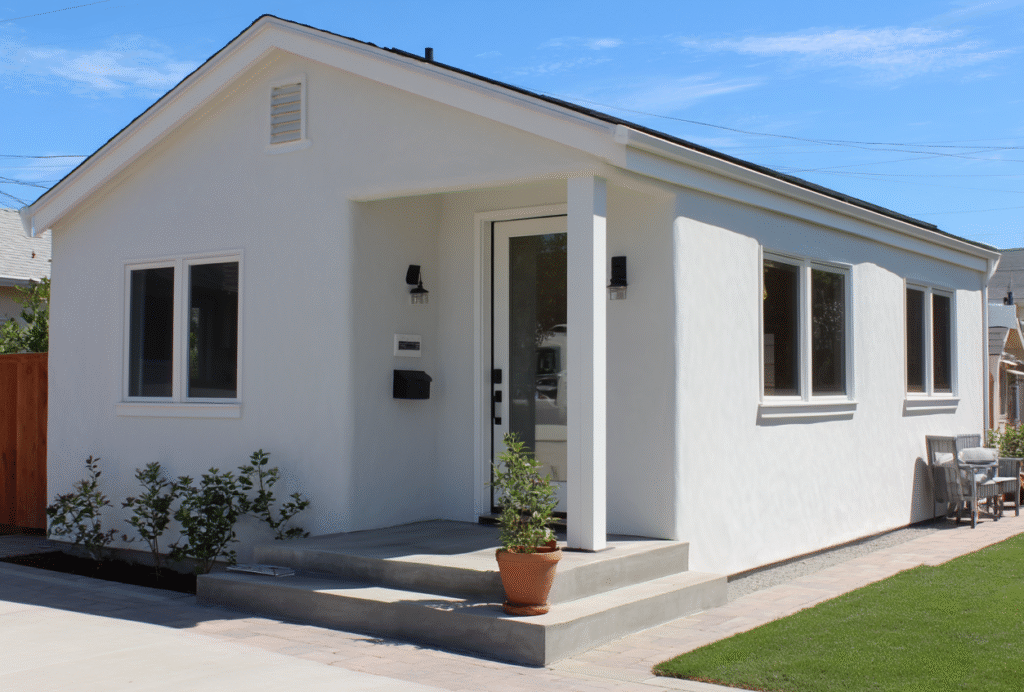
Building your dream home doesn’t require a six-figure budget or decades of mortgage payments. Tiny homes prove that thoughtful design and smart choices create comfortable, functional living spaces at a fraction of traditional housing costs. The challenge isn’t whether you can design a tiny home affordably—it’s knowing which strategies actually save money without compromising quality or livability.
Many aspiring tiny home owners make expensive mistakes by copying designs meant for unlimited budgets or purchasing unnecessary features that drain funds without adding real value. This guide provides practical, tested approaches to creating a tiny home that meets your needs while respecting your financial limits.
Tips for Designing a Tiny Home on a Budget
Plan Your Layout Efficiently
Efficient layout planning represents the foundation of affordable tiny home design. Poor space planning leads to wasted square footage that costs money to build but doesn’t serve any real function. Start by listing your absolute necessities—sleeping space, cooking facilities, bathroom, storage—then determine the minimum square footage each requires.
Sketch multiple floor plan options before committing to one. Move elements around to see what configurations work best. Consider traffic flow patterns—you shouldn’t need to walk through your bedroom to reach the bathroom or climb over furniture to access storage. Efficient circulation paths feel spacious even in compact footprints.
Opt for Simple, Affordable Materials
Material choices dramatically impact your budget when you design a tiny home. Premium hardwoods, granite countertops, and designer fixtures add up quickly. Budget-friendly alternatives often perform just as well while saving thousands.
Here are cost-effective material substitutions that maintain quality:
- Use plywood or OSB instead of expensive hardwoods for structural elements
- Choose laminate countertops over granite or quartz to save 70-80%
- Install vinyl plank flooring rather than hardwood for durability at a lower cost
- Select paint-grade materials for trim and cabinets instead of stain-grade wood
- Use fiber cement siding instead of cedar or other premium exterior materials
- Pick standard-size windows and doors rather than custom dimensions
- Choose composite decking over natural wood for outdoor spaces
- Use butcher block counters in select areas for warmth without full hardwood costs
- Install ceramic tile instead of natural stone in bathrooms
- Select mid-range appliances that meet needs without luxury features you won’t use
Focus spending on elements that directly impact functionality and longevity—roof materials, windows, insulation, and major systems. These aren’t areas to cut corners. For finishes and decorative elements, affordable options work perfectly fine and can be upgraded later if desired.
Maximize Vertical Space
When horizontal space is limited, think vertically. Tall ceilings make rooms feel larger while providing storage opportunities overhead. Lofted sleeping areas free up floor space for living areas below. Floor-to-ceiling shelving and cabinets hold more without consuming additional square footage.
High windows bring in natural light while maintaining privacy and wall space below for furniture. Vertical storage solutions like pegboards, wall-mounted racks, and hanging organizers keep items accessible without cluttering counters and floors.
This vertical thinking costs little extra—lumber and drywall prices don’t increase significantly with height—yet it dramatically improves livability in small spaces.
Minimalist Approach to Decor
Decorating tiny homes requires restraint. Excessive decor creates visual clutter that makes small spaces feel cramped and chaotic. A minimalist approach—selecting a few meaningful pieces rather than filling every surface—creates calm, spacious atmospheres.
Choose multi-functional decorative items. A beautiful basket provides storage while adding texture. Plants improve air quality and aesthetics simultaneously. Mirrors reflect light and make spaces feel larger while serving practical purposes.
Affordable Ways to Build a Tiny Home
Choosing Pre-Fabricated or Modular Components
Pre-fabricated and modular components significantly reduce costs compared to custom-built alternatives. Standard-sized windows and doors cost less than custom dimensions. Pre-built kitchen cabinets from home improvement stores run thousands less than custom cabinetry while offering similar functionality.
Modular bathroom pods—complete units with shower, toilet, and sink already assembled—install quickly and eliminate expensive plumbing labor. Pre-hung doors arrive ready to install rather than requiring on-site fitting and adjustments. These time-saving components reduce labor costs substantially.
Design your tiny home around standard dimensions when possible. Windows that are 24, 30, or 36 inches wide cost far less than custom 27 or 33-inch versions. Using standard 8-foot lumber eliminates waste and cutting time.
Sourcing Affordable Building Materials
Smart material sourcing saves substantial money without sacrificing quality. Architectural salvage yards offer reclaimed wood, windows, doors, and fixtures at deep discounts. These items add character while reducing costs and environmental impact.
Habitat for Humanity ReStores sell new and gently used building materials donated by manufacturers, contractors, and homeowners. You’ll find everything from lumber to appliances at 50-90% below retail prices.
Hiring the Right Professionals
Labor represents a major cost when you design a tiny home. Hiring the right professionals at the right time maximizes quality while minimizing expense. Reserve skilled trades—electricians, plumbers, HVAC specialists—for work requiring licensing and expertise. Handle demolition, painting, basic carpentry, and finishing work yourself if you’re reasonably handy.
Get multiple quotes and check references thoroughly. The lowest bid isn’t always the best value if poor workmanship requires expensive corrections later. Look for contractors experienced with tiny homes who understand unique challenges like weight distribution, efficient systems design, and space-saving techniques.
Streamline the Building Process
Time equals money in construction. Delays extend projects and increase costs through prolonged equipment rentals, extended loan interest, and additional labor hours. Streamline your building process by having all materials on-site before starting, maintaining clear communication with contractors, and making decisions quickly when issues arise.
Create detailed plans before construction begins. Changes mid-project cost significantly more than getting things right initially. Every modification requires additional materials, creates waste, and consumes extra labor hours.
Smart Design Choices That Save Money
Multi-Use Rooms and Flexible Spaces
When you design a tiny home, every space should serve multiple purposes. Living rooms double as guest bedrooms with Murphy beds or convertible sofas. Kitchen tables function as workspaces. Bathroom doors become storage with hanging organizers.
Built-in furniture maximizes flexibility while reducing costs. A window seat with storage underneath provides seating, sleeping space for guests, and concealed storage—three functions from one element. Fold-down tables appear when needed and disappear when not, preserving precious floor space.
This multi-functionality means purchasing fewer furniture pieces, which saves money both initially and ongoing by reducing clutter and maintenance needs.
Efficient Use of Lighting
Lighting dramatically affects how spaces feel, and smart choices create ambiance affordably. Maximize natural light through strategic window placement—south-facing windows in northern climates, north-facing in southern regions—to reduce artificial lighting needs and heating/cooling costs.
LED bulbs cost more upfront but consume 75% less electricity than incandescent bulbs and last 25 times longer. The savings accumulate quickly, especially in tiny homes where you might run lights more hours due to limited natural light in compact spaces.
Dimmer switches provide flexibility, allowing bright task lighting when needed and softer ambient lighting for relaxation. This control improves livability without expensive light fixtures.
Low-Cost Plumbing and Electrical Systems
Designing a tiny home with affordable yet functional utilities requires understanding what you actually need versus what’s conventional. Tankless water heaters cost more initially but take up less space and reduce energy costs. Composting toilets eliminate septic system expenses entirely while using zero water.
Electrical systems in tiny homes require fewer outlets and fixtures than conventional houses, reducing material and labor costs. Solar panels, while initially expensive, eliminate monthly electric bills and increase energy independence. Calculate whether upfront solar investment pays back through eliminated utility costs over your expected residency period.
How to Design a Tiny Home for Outdoor Living
Adding a Simple Outdoor Space
Outdoor living spaces extend your usable area without building costs. A basic covered porch or deck adds functional square footage at roughly one-third the cost per square foot of enclosed space. This outdoor room provides dining space, relaxation zones, or workspace during pleasant weather.
Simple construction techniques keep outdoor spaces affordable. Pressure-treated lumber, basic roofing, and concrete pier foundations create durable outdoor areas without elaborate techniques. These spaces don’t require insulation, electrical systems, or finished interiors, dramatically reducing complexity and cost.
Combining Indoor and Outdoor Spaces
Large sliding glass doors or bifold door systems blur boundaries between indoor and outdoor spaces, making your tiny home feel dramatically larger. When opened fully, these systems create seamless transitions that effectively double your usable space during good weather.
This indoor-outdoor connection reduces the need for maximum interior square footage. If your outdoor space functions as an extension of your living room for six to eight months a year, you can design a tiny home with a smaller interior that still meets your real needs.
Creating Your Affordable Tiny Home
Designing a tiny home on a budget requires strategic planning, smart material choices, creative space utilization, and a willingness to challenge conventional housing assumptions. Success comes from understanding where to invest and where to economize. Prioritize structural integrity, efficient systems, and quality materials in areas affecting longevity and functionality. Save money through simple designs, standard-sized components, salvaged materials, and DIY labor where appropriate.
Remember that designing a tiny home on a budget doesn’t mean accepting poor quality or sacrificing comfort. It means making informed choices that prioritize function over flash, durability over trends, and thoughtful simplicity over unnecessary complexity. The result is often a more livable, attractive space than conventionally-designed homes costing many times more.