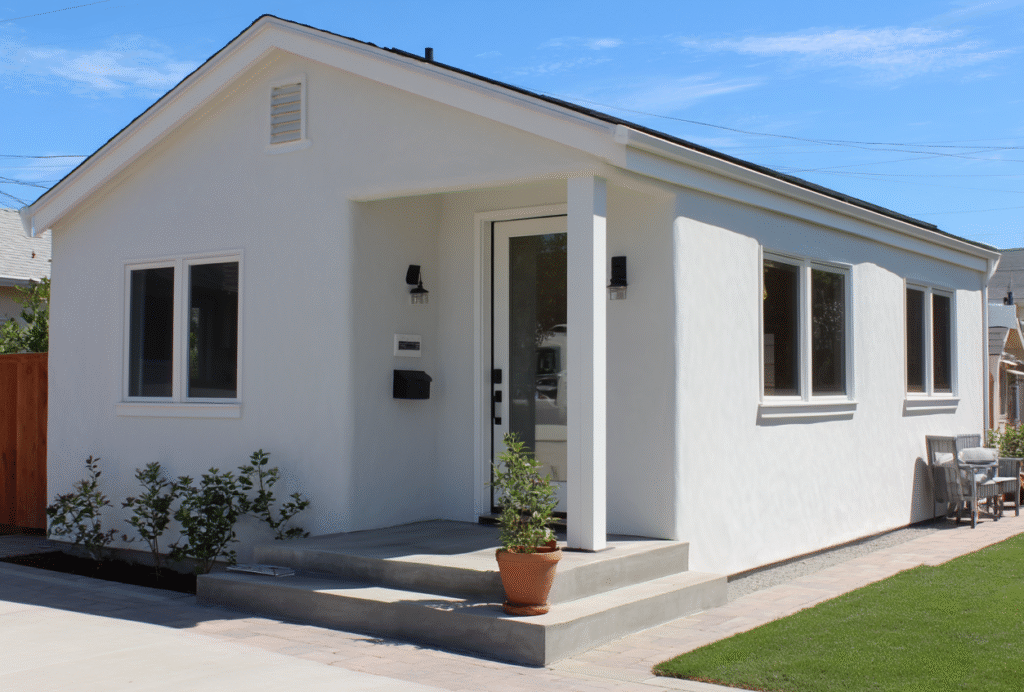
Traditional housing in Orlando has become a financial burden that forces difficult choices. Residents work multiple jobs to afford rent, delay life milestones to save down payments, or commute from distant suburbs where prices remain reasonable.
The American dream of homeownership feels increasingly out of reach for many in this thriving central Florida city. Yet a housing alternative has quietly gained momentum—compact dwellings that reject conventional wisdom about space requirements while delivering affordability, sustainability, and freedom from overwhelming mortgage debt.
The Rise of Tiny Homes in Orlando’s Market
The concept of tiny homes has transformed from a television curiosity into a legitimate housing solution over recent years. These efficient structures, usually between 100 and 400 square feet, prove that comfortable living doesn’t require thousands of square feet. What began as a response to economic crisis has matured into an intentional lifestyle choice for people seeking financial independence and simplified living.
Tiny homes in Orlando for sale have gained particular relevance as the metropolitan area continues to grow. Tourism-driven economic expansion brings jobs and opportunity, but also pushes housing costs higher year after year. Young professionals starting careers, retirees on fixed incomes, and families seeking affordability all face similar challenges in finding reasonably priced homes in desirable areas. Tiny homes offer viable alternatives that address these affordability concerns without sacrificing quality of life.
Types of Tiny Homes for Sale in Orlando
Mobile Tiny Homes vs. Stationary Tiny Homes
The fundamental distinction between mobile and stationary tiny homes significantly impacts where and how buyers can use them. Mobile tiny homes built on trailers provide flexibility to relocate if circumstances change. Many jurisdictions classify these as recreational vehicles, which can simplify permitting processes but may limit long-term parking options in some areas.
Stationary tiny homes on permanent foundations face different regulations, typically requiring compliance with residential building codes similar to traditional houses. These structures integrate more naturally into established neighborhoods and may qualify for conventional mortgage financing more easily than mobile versions. However, permanent placement eliminates mobility advantages that appeal to some buyers.
Pre-Built Tiny Homes vs. Custom Builds
Pre-built options provide immediate solutions for buyers ready to move quickly. Manufacturers create these homes using established designs and efficient production processes that control costs. Touring completed models eliminates uncertainty about final products, allowing buyers to see exactly what they’re purchasing. Limited customization represents the trade-off for faster availability and typically lower prices.
Custom builds deliver personalized spaces tailored to individual preferences and requirements. Working with builders to design from scratch ensures every detail matches buyers’ visions. Custom construction takes longer and generally costs more, but results in unique homes perfectly suited to specific needs rather than compromise designs accommodating general markets.

What to Consider Before Buying a Tiny Home in Orlando
Budgeting for Your Tiny Home
Developing accurate budgets requires looking beyond advertised purchase prices. A tiny house in Orlando might cost $40,000 to $120,000, depending on size, features, and construction quality. However, numerous additional expenses affect total investments:
Upfront costs include:
- Land purchase or lot rental deposits
- Delivery and professional setup fees
- Utility connection and hookup costs
- Required permits and inspection fees
- Insurance coverage for the structure
- Site preparation and foundation work, if needed
Recurring expenses involve:
- Monthly lot rental if not owning land
- Utility bills for electricity, water, and waste services
- Annual property taxes
- Regular maintenance and occasional repairs
- Community association fees were applicable
Understanding complete financial pictures prevents budget overruns that derail purchases or create financial stress after moving in.
Zoning and Legal Restrictions
Local regulations dramatically impact where buyers can legally place tiny homes. Orlando and Orange County have specific zoning requirements that vary based on home type, size, and intended location. Some residential areas welcome tiny homes on standard lots, while others restrict them through minimum square footage requirements or architectural standards.
Researching zoning regulations thoroughly before purchasing tiny homes in Orlando for sale prevents expensive mistakes. Contact local planning departments to verify that the intended placement locations legally permit your chosen home type. Understanding permit requirements, setback rules, and utility regulations ensures compliance and prevents future legal complications.
Size and Space Considerations
Realistic assessment of space needs determines whether tiny home living will feel liberating or confining. Consider daily activities, possessions you’ll keep, and personal comfort requirements when evaluating appropriate sizes. A 150-square-foot home might work perfectly for a minimalist individual, but feel cramped for a couple with different space needs.
Layout efficiency matters enormously in compact spaces. Some designs maximize floor space through sleeping lofts, while others prioritize main-floor bedrooms for accessibility. Kitchen configurations range from basic efficiency setups to surprisingly functional full kitchens with standard appliances. Bathroom layouts vary from ultra-compact wet baths to separated facilities providing more privacy and functionality.
Exploring Different Tiny Homes for Sale in Orlando
Types of Tiny Homes Available in Orlando
The market offers diverse options accommodating different priorities and budgets. Entry-level models provide basic features at accessible prices, ideal for buyers prioritizing affordability over luxury. These homes include essential systems and functional layouts without premium finishes or high-end appliances.
Mid-range options balance quality with reasonable pricing, incorporating upgraded materials, better appliances, and more sophisticated designs. These homes demonstrate that affordability doesn’t require sacrificing quality or style. They appeal to buyers seeking comfortable, well-built homes without luxury price tags.
New vs. Pre-Owned Tiny Homes
New construction guarantees current building standards, modern systems, and manufacturer warranties covering defects or problems. Buyers often can customize features during construction, ensuring homes meet specific preferences. However, new tiny homes for sale in Orlando command premium prices and require waiting through construction timelines.
Pre-owned homes provide immediate availability at reduced costs. Original owners absorb initial depreciation, creating savings opportunities. Used homes allow buyers to see exactly what they’re purchasing without imagining how plans translate to reality. However, pre-owned options may need updates or repairs, and finding homes matching specific requirements takes patience and persistent searching.
Tiny Home Communities vs. Private Land
Dedicated communities designed for tiny homes simplify many logistical challenges. These developments provide designated lots with established utility infrastructure and often include shared amenities like laundry facilities, recreation areas, or community gardens. Living in communities creates social connections with neighbors who share similar values and lifestyles.
Communities handle zoning compliance, removing uncertainty about legal placement. They typically maintain common areas and enforce community standards, ensuring well-maintained environments. However, lot rental fees continue indefinitely, and community rules may restrict certain modifications or activities.

What to Look for When Touring Tiny Homes for Sale
Inspecting the Structure and Quality of the Build
Construction quality fundamentally affects satisfaction and longevity. During tours, examine these critical elements:
- Foundation and framing should be solid with no signs of settling, warping, or structural movement
- Exterior materials and sealing must resist Florida’s humidity, rain, and heat effectively
- A properly installed roof prevents leaks that cause extensive damage
- Windows and doors should operate smoothly with proper seals, preventing air and water intrusion
- Interior finishes indicate overall craftsmanship quality and attention to detail
Professional inspections remain valuable even for tiny homes. Inspectors identify problems invisible to untrained observers and provide objective assessments of home conditions. Spending a few hundred dollars on inspections can save thousands by revealing problems before purchase.
Layout and Space Efficiency
Thoughtful design distinguishes comfortable tiny homes from cramped ones. Assess whether layouts support your daily routines. Can you move freely between areas? Does the kitchen provide adequate workspace? Will sleeping arrangements work comfortably?
Storage solutions must be creative and sufficient. Look for built-in storage under stairs, in walls, beneath seating, and through multi-functional furniture. Evaluate whether the provided storage realistically accommodates your possessions after downsizing.
Energy Efficiency Features
Efficient systems reduce operating costs and environmental impact. Quality insulation throughout walls, floors, and ceilings proves essential in Florida’s climate, where cooling costs dominate utility bills. Energy-efficient windows with low-E coatings and proper seals minimize heat transfer and air leakage.
LED lighting, Energy Star-rated appliances, and efficient heating and cooling systems lower electricity consumption significantly. Some tiny homes include solar panels or solar-ready electrical systems, enabling renewable energy use. Evaluate existing efficiency features and consider whether adding others makes financial sense through reduced utility expenses over time.
Making Your Tiny Home Decision
Purchasing tiny homes in Orlando for sale requires careful consideration of budget, legal requirements, structural condition, and lifestyle compatibility. However, for buyers seeking affordable, sustainable housing in a dynamic metropolitan area, tiny homes offer compelling advantages. Dramatically lower costs provide financial flexibility while reduced environmental impact aligns with sustainability values.
Orlando’s thriving economy, cultural attractions, pleasant climate, and outdoor recreation make it an excellent location for tiny home living. Year-round warm weather extends living space outdoors, while the city’s growing acceptance of alternative housing creates opportunities for legal placement in various areas.