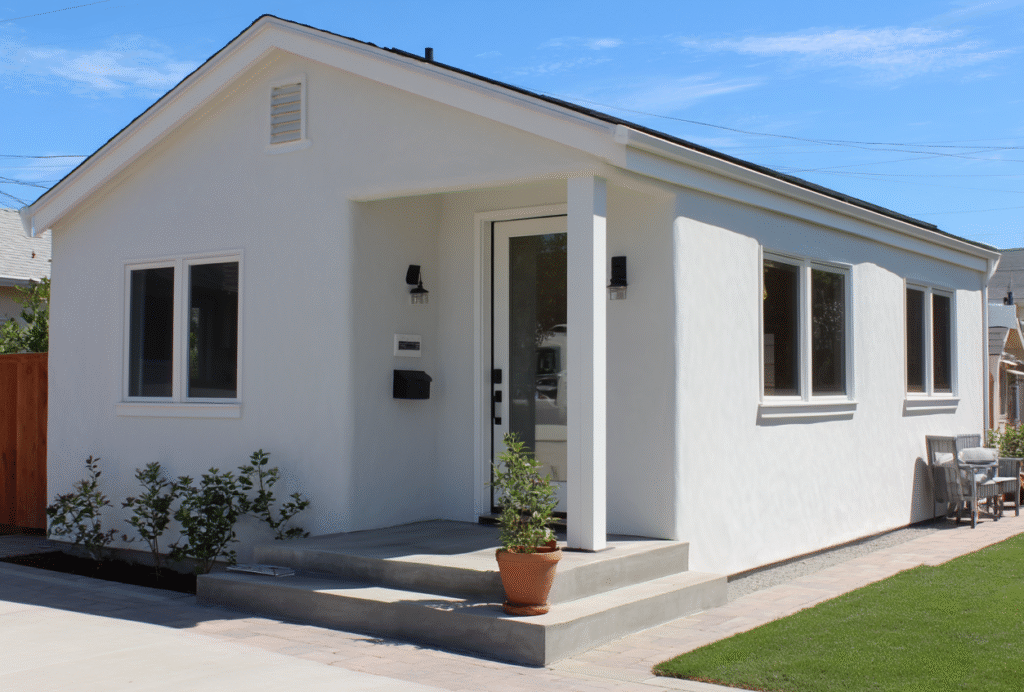
Accessory Dwelling Units have become an increasingly popular solution for homeowners looking to add flexible living space without breaking the bank. Whether you’re considering rental income, housing for family members, or simply need extra room, creating the right ADU home plans requires careful thought and planning.
Overview of the Growing Popularity of ADUs
The housing market has changed dramatically over the past few years, and more homeowners are turning to Accessory Dwelling Units as a practical answer to various challenges. These standalone or attached living spaces offer flexibility that traditional home additions can’t match. Cities across the country have relaxed zoning restrictions, making it easier than ever to add an ADU to your property.
ADUs come in many forms, from converted garages to backyard cottages and basement apartments. They provide affordable housing options in expensive markets, offer multi-generational living solutions, and can generate passive income through rentals. The versatility of home plans with ADU options makes them attractive to a wide range of homeowners, from young families to retirees looking to downsize while staying on their property.
Identifying Your Needs and Priorities for ADU Home Plans
Before you start drawing up plans or contacting designers, take time to understand what you actually need from your ADU. This foundation will guide every decision you make moving forward.
Assessing Your Property
Start by evaluating your existing property. Walk around your yard and note the available space, sun exposure, existing utilities, and access points. Check your local zoning regulations to understand size restrictions, setback requirements, and height limitations. Some areas limit ADUs to specific square footage or require certain parking accommodations.
Consider how the new structure will affect your existing home’s natural light, privacy, and outdoor space. A well-placed ADU enhances your property rather than detracting from it.
Establishing Your Purpose
Why do you want to build an ADU? Your answer shapes everything about your design. If you’re planning to rent it out, you’ll need features that appeal to tenants, like a full kitchen and a separate entrance. For aging parents, accessibility features and proximity to the main house matter most. A home office or creative studio has entirely different requirements than a guest suite.
When reviewing tiny home design plans, think about both immediate needs and future uses. Your teenage daughter’s apartment today might become rental income in five years.
Key Features to Include in Your ADU Home Plan
Every ADU needs certain basics: a sleeping area, a bathroom, and some form of kitchen or kitchenette. Beyond that, your feature list depends on your purpose. Common additions include:
- Laundry hookups for long-term residents
- Outdoor living space, like a patio or deck
- Storage solutions built into the design
- Energy-efficient windows and insulation
- Smart home technology for security and efficiency

Budgeting for Your ADU Home Design
Money matters, and understanding costs upfront prevents surprises down the road.
Setting a Realistic Budget
ADU costs vary widely based on size, location, and finishes. A basic backyard cottage might run $100,000 to $150,000, while a luxury unit with high-end finishes can exceed $300,000. Get quotes from multiple contractors and add a 15-20% cushion for unexpected expenses.
Factor in all costs: permits, utility connections, landscaping, and furnishings. Many homeowners focus only on construction costs and forget about the other necessary expenses.
Balancing Cost with Functionality
You don’t need to sacrifice quality to stay on budget. Smart choices make a bigger difference than expensive materials. Open floor plans feel spacious without adding square footage. Multi-purpose furniture maximizes utility in small spaces. Simple rooflines cost less to build than complex designs.
When developing your tiny home plan, prioritize spending on elements that affect daily comfort and long-term durability. Splurge on good insulation and windows. Save money on decorative trim and fancy light fixtures.
Creating the Right ADU Home Plans for Your Space
Thoughtful design makes even compact spaces feel comfortable and functional.
Maximizing Small Spaces
The best ADU home plans make every square foot count. Use furniture that serves multiple purposes, like beds with storage underneath or fold-down tables. Built-in shelving eliminates the need for bulky bookcases. Pocket doors save space compared to traditional swinging doors.
Light colors and mirrors create the illusion of more space. Large windows bring in natural light and make rooms feel bigger. Consider an open concept layout that combines kitchen, dining, and living areas into one flowing space.
Using Vertical Space
Don’t forget to look up. Vertical space offers storage and design opportunities often overlooked in tiny home design plans. Install cabinets that reach the ceiling. Use wall-mounted shelves and hooks. Loft beds create room for a workspace or storage underneath.
High ceilings make small rooms feel larger without increasing the footprint. If your budget allows, vaulted or cathedral ceilings add drama and openness to your ADU home plans.
Choosing the Right Materials and Finishes
Material selection affects both your budget and your ADU’s long-term performance.
Cost-Effective Materials
Several affordable materials deliver good results without premium prices. Vinyl plank flooring looks like wood but costs less and handles moisture better. Laminate countertops have improved dramatically and come in attractive designs. Fiber cement siding provides durability at a reasonable price point.
Standard-sized windows and doors cost less than custom options. Stock cabinets work well for most spaces and cost a fraction of custom cabinetry. These savings add up quickly across a full project.
Balancing Aesthetics and Practicality
Your ADU should look good and function well. Choose finishes that suit your climate and lifestyle. In wet climates, invest in quality roofing and waterproofing. In hot areas, reflective roofing and good insulation pay for themselves in energy savings.
Neutral colors appeal to more people and won’t feel dated quickly. You can always add personality with paint, which is easy and inexpensive to change later.
Customizing Your ADU Home Plan
Make your ADU truly yours with thoughtful customization.
Custom Features for Personalized Living
Standard plans provide a starting point, but small modifications create spaces that work specifically for you. Add a window seat with storage, include a breakfast bar for casual dining, or design a custom closet system. These touches don’t necessarily cost more but make the space feel intentional and personal.
If you have specific hobbies or needs, build them into the design from the start. Musicians might want soundproofing. Artists need good natural light. Remote workers benefit from dedicated desk space with proper electrical outlets.
Modern vs. Traditional Styles
Your ADU’s style should complement your main house while having its own identity. Modern designs often feature clean lines, large windows, and open layouts. Traditional styles might include pitched roofs, lap siding, and distinct room separations.
Neither approach costs inherently more than the other. Choose based on personal preference and what fits your property. Many successful ADU home plans blend elements from both styles for a timeless look.

Working with Professionals to Finalize Your ADU Home Plans
Professional help turns your ideas into reality.
Collaborating with Architects and Designers
An experienced designer understands how to maximize space and comply with building codes. They can take your wish list and budget to create practical ADU home plans that work. Share examples of layouts you like, be honest about your budget, and ask questions throughout the process.
Many designers offer tiered services. You might get a basic plan package or comprehensive design and project management. Choose the level of support that matches your experience and comfort level.
Working with Builders and Contractors
The right contractor makes or breaks your project. Get multiple bids, check references, and verify licenses and insurance. Look for builders with specific ADU experience, as they understand the unique challenges these projects present.
Clear communication prevents problems. Make sure everyone understands the timeline, budget, and expectations. Regular check-ins keep the project on track and give you chances to address concerns before they become expensive issues.
Final Thoughts on Designing Your Perfect ADU
Creating ADU home plans that fit your needs and budget requires balancing many factors. Start by clearly defining your purpose and carefully assessing your property. Set a realistic budget that includes all project costs, not just construction. Design thoughtfully to maximize every square foot while keeping future flexibility in mind.
Smart material choices and strategic customization let you create a space that feels personal without overspending. Work with qualified professionals who understand ADU projects and can guide you through the process. Remember that the best tiny home plan is one that serves your specific situation, not necessarily the fanciest or largest option.
• https://goshentinyhomes.com/adu-floor-plans/
• FL ADU Guidebook