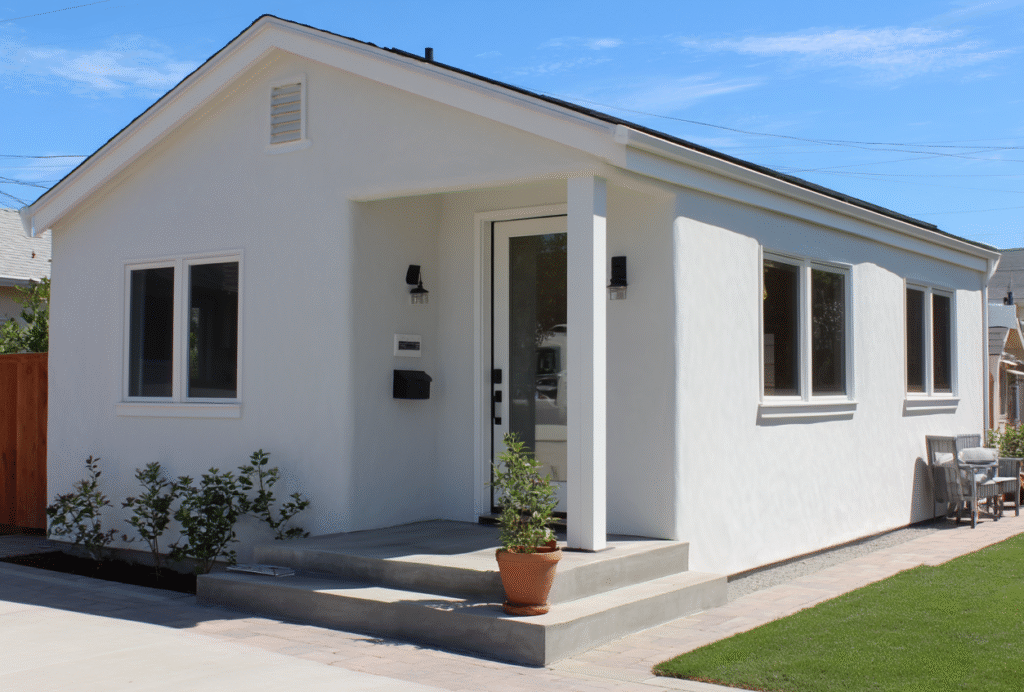
Homeowners dreaming of building Accessory Dwelling Units often start with Pinterest boards filled with charming cottages and sleek modern studios. These inspiring images fuel visions of perfect backyard retreats generating rental income or housing family members. Then reality intervenes—zoning codes, setback regulations, height restrictions, and permit requirements that transform simple concepts into complex puzzles.
What seemed straightforward becomes a maze of regulations that dictate everything from window placement to roof pitch, often forcing design compromises and budget increases that catch unprepared homeowners completely off guard.
Key ADU Requirements That Impact Your Design
Zoning and Land Use Regulations
Zoning codes establish fundamental rules about what property owners can build on their land. Some zones allow ADUs by right, meaning property owners can build them without special permission beyond standard permits. Other zones prohibit ADUs entirely or require conditional use permits involving hearings and neighbor notifications.
Zoning regulations often specify owner-occupancy requirements, mandating that property owners live in either the primary residence or the ADU. This restriction prevents investors from converting properties entirely to rentals, preserving neighborhood residential character. Some jurisdictions have relaxed these requirements recently, while others maintain them strictly.
Minimum and Maximum Size Requirements
Most jurisdictions impose size limits on ADUs relative to primary residences or as absolute maximums. Common restrictions cap ADUs at 800-1,200 square feet or 50% of primary residence size, whichever is smaller. These limitations prevent ADUs from overwhelming properties or competing with primary residences in size.
Minimum size requirements are less common but exist in some areas to ensure ADUs provide adequate living space. These minimums typically range from 150 to 400 square feet. While maximums frustrate homeowners wanting larger units, they represent the most universal ADU building requirements affecting project scope and budget directly.
Setback and Property Line Regulations
Setback requirements dictate how far structures must sit from property lines. Standard residential setbacks often apply to ADUs, requiring placement at least 5-20 feet from rear and side property lines, depending on jurisdiction. Some areas offer reduced setbacks for ADUs to make construction more feasible on smaller lots.
These spatial restrictions significantly impact design flexibility and site utilization. Properties with limited depth may struggle to fit ADUs meeting setback requirements while maintaining functional yard space. Corner lots face additional complications with street-facing setback requirements applying to multiple sides.
Accessibility and Universal Design Standards
Some jurisdictions require ADUs to meet accessibility standards, particularly units intended for rental or those above certain sizes. These requirements might mandate zero-step entries, wider doorways, accessible bathrooms, or full ADA compliance. While promoting inclusive design, accessibility requirements increase construction costs through additional space needs and specialized fixtures.

Understanding ADU Permit Requirements
The Permit Process for ADUs
Obtaining permits represents a critical phase that directly impacts timelines and budgets. The ADU permit requirements typically include submitting architectural plans, site surveys, engineering calculations, and various applications to multiple departments. Planning departments review zoning compliance, building departments assess structural safety, and utility departments evaluate infrastructure impacts.
The process timeline varies dramatically by jurisdiction. Some streamlined programs approve straightforward ADU applications within 30-60 days. Others involve multiple review rounds, public hearings, and approval processes stretching six months or longer. Understanding local permit requirements and timelines helps establish realistic project schedules.
The Impact of Permits on Design
Permit requirements force design decisions addressing code compliance rather than purely aesthetic or functional preferences. Fire safety codes mandate specific window sizes for egress, minimum ceiling heights, and proper smoke detector placement. Energy codes require certain insulation levels, window efficiency ratings, and mechanical system specifications.
These mandatory elements increase costs beyond basic construction. High-efficiency windows cost more than standard options. Proper insulation requires investment in materials and installation. Fire-rated assemblies for attached ADUs add expense. However, these requirements serve important purposes—protecting occupant safety, reducing energy consumption, and ensuring structural durability.
Building Inspections and Code Compliance
Construction proceeds through multiple inspection stages—foundation, framing, mechanical systems, insulation, and final. Each inspection checkpoint verifies work meets code requirements before proceeding. Failed inspections requiring corrections create delays and additional costs.
Working with contractors experienced in local ADU building requirements minimizes inspection failures. They understand inspector expectations, build to proper standards initially, and correct minor issues quickly when they arise. This expertise proves valuable despite potentially higher hourly rates.
Attached ADU Requirements and How They Affect Design
Unique Considerations for Attached ADUs
Attached units connecting to primary residences face specific regulations beyond those governing detached ADUs. Fire separation requirements mandate fire-rated walls, ceilings, and doors between units, protecting both dwellings in case of fire. These assemblies cost more than standard construction due to specialized materials and installation requirements.
Sound insulation between units often exceeds standard wall insulation requirements, necessitating additional soundproofing materials and careful construction techniques. Inadequate sound control creates ongoing livability problems that expensive post-construction remediation rarely solves satisfactorily.
Attached adu requirements frequently include separate entrances, ensuring units function independently. This requirement affects design by necessitating distinct access points that may conflict with site constraints or architectural preferences.
Shared Utility Connections and Cost Savings
Attached ADUs can share utility connections with primary residences, potentially reducing infrastructure costs. Water, sewer, electrical, and gas lines already serving main houses can extend to attached units more economically than running entirely new services to detached structures.
However, shared utilities may require capacity upgrades. Electrical panels might need expansion to serve additional dwelling units. Water heaters sized for single families may prove inadequate for two units. Gas lines might require larger diameter pipes supporting multiple appliances. While still typically cheaper than entirely separate utilities, these upgrades represent real costs requiring budget consideration.
Easier Compliance with Local Codes
Some jurisdictions simplify permitting for attached versus detached ADUs, recognizing them as additions rather than new structures. This classification can reduce fees, streamline approval processes, and relax certain requirements. However, attached ADU requirements still mandate substantial compliance with building, electrical, plumbing, and mechanical codes.
How ADU Requirements Influence Your Budget
Design Limitations and Costs
ADU requirements force design decisions that affect budgets directly:
Size restrictions impact costs by:
- Limiting the square footage that can be built affects the total construction expense
- Forcing creative but potentially expensive space-saving design solutions
- Requiring efficient layouts that may cost more per square foot than standard designs
Setback and height limits affect budgets through:
- Restricting building footprints, potentially necessitating two-story designs costing more per square foot than single-story construction
- Limiting roof styles, preventing economical, simple roof designs in favor of more expensive, complex configurations
- Forcing custom solutions for irregularly shaped properties where standard plans won’t fit
Impact of Permits and Fees on Your Budget
Permit-related expenses extend beyond application fees. Architectural drawings meeting submission requirements typically cost $3,000-$10,000, depending on project complexity. Engineering calculations for foundations, beams, and lateral loads add another $2,000-$5,000. Impact fees, utility connection charges, and inspection fees can collectively reach $15,000-$30,000 in some jurisdictions.
These costs exist before construction begins, requiring significant upfront capital. Delayed permit approvals extend timelines, potentially catching projects in rising material cost periods that increase total expenses beyond initial estimates.
Construction Delays and Cost Overruns
Unexpected ADU permit requirements discovered during review processes force design revisions that delay projects and increase costs. Additional engineering, revised drawings, and resubmission fees add expenses. Construction delays from extended permitting mean carrying costs for loans, potential contractor rescheduling fees, and inflation impacts on material prices.
Code compliance issues identified during inspections create expensive corrections and schedule delays. Walls that open for inspection that fail require reconstruction. Systems installed incorrectly need replacement. These problems cost more than proper initial construction would have.

Working with ADU Contractors and Designers
Selecting the Right ADU Contractor
Contractors experienced specifically with ADU requirements bring invaluable knowledge that prevents expensive mistakes. They understand local codes, maintain relationships with permit departments, and know which design approaches inspectors favor. This expertise streamlines permitting and construction processes.
Request contractor references from recent ADU projects in your jurisdiction. Local experience matters more than general construction credentials because regulations vary dramatically between cities. Verify licenses, insurance, and check for complaints with contractor licensing boards.
Collaborating on Design
Early contractor involvement during design phases helps identify requirement-driven cost implications before finalizing plans. Experienced contractors recognize when designs will face permit challenges or inspection issues, allowing modifications while changes remain inexpensive.
Discuss budget constraints openly, asking contractors how ADU requirements affect costs and where flexibility exists. Some requirements are absolute while others allow alternative compliance methods with different cost implications. Understanding options enables informed decisions, balancing regulatory compliance with budget realities.
Planning for Success
Understanding ADU requirements upfront—zoning restrictions, size limits, setback rules, permit processes, and building codes—enables realistic planning and accurate budgeting. These regulations significantly influence design possibilities and project costs. Ignoring requirements until mid-project creates expensive surprises, forced compromises, and frustrating delays.
Working with professionals experienced in local ADU building requirements and attached ADU requirements streamlines processes and prevents costly mistakes. While their fees represent upfront expenses, their expertise typically saves more than it costs through efficient permitting, avoided errors, and optimized designs meeting regulations while maximizing functionality.