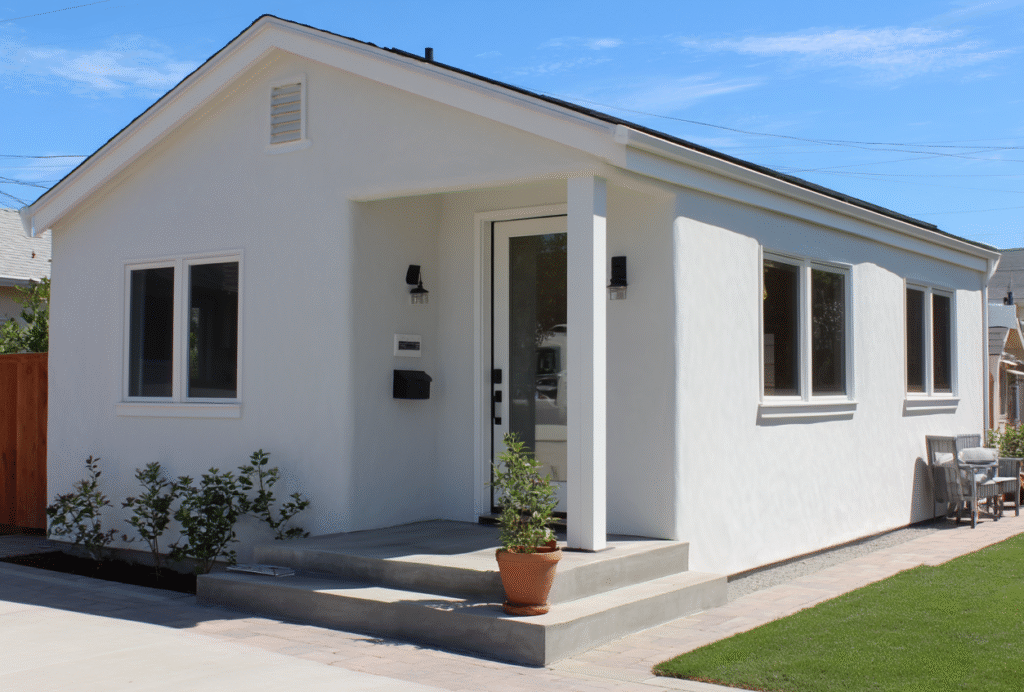
The appeal of simplified living continues to grow across South Florida, and Palm Beach County has become a hotspot for alternative housing solutions. More residents are questioning whether they truly need sprawling homes with rooms they rarely use, especially when property taxes, maintenance costs, and utility bills keep climbing.
Building a smaller, more efficient dwelling offers financial freedom and lifestyle flexibility that traditional homes can’t match. However, constructing tiny homes in Palm Beach County involves specific challenges and requirements that differ from conventional home building. Understanding these factors before you start prevents costly mistakes and ensures your project succeeds.
The Rising Interest in Tiny Homes as a Housing Solution
Palm Beach County’s real estate market has priced many residents out of homeownership entirely. Median home prices have surged in recent years, leaving first-time buyers, retirees on fixed incomes, and young families searching for alternatives. Tiny homes represent a practical response to this affordability crisis while offering benefits beyond cost savings.
Remote work has also fueled interest in tiny homes in Palm Beach County. When your job no longer ties you to a specific location, the flexibility of owning a smaller property—potentially on wheels—becomes more appealing. Some buyers view tiny homes as vacation properties or rental investments that generate income, while others see them as permanent residences that free up money for experiences rather than mortgage payments.

Key Considerations Before Building Tiny Homes in Palm Beach County
Zoning Laws and Regulations
Palm Beach County has strict zoning ordinances that determine where you can place or build a tiny home. Not all areas permit these structures, and requirements vary significantly between incorporated cities and unincorporated county areas. Some municipalities allow tiny homes as accessory dwelling units (ADUs) on properties with existing primary residences, while others have minimum square footage requirements that tiny homes don’t meet.
Research your specific location’s zoning code thoroughly. Contact the Palm Beach County Planning, Zoning, and Building Department or your city’s planning office for definitive answers. Don’t rely on assumptions or secondhand information—regulations change, and what worked for someone else might not apply to your situation.
Land Selection and Site Preparation
If you don’t already own property, finding suitable land represents your first major challenge. Land costs in Palm Beach County vary dramatically based on location, with oceanfront and developed areas commanding premium prices while inland and rural parcels offer more affordable options.
When evaluating potential land for tiny homes in Palm Beach County, consider these factors:
- Proximity to employment, schools, healthcare facilities, and shopping centers
- Existing utility access or the cost of bringing water, sewer, and electrical service to the property
- FEMA flood zone designation and associated insurance requirements
- Soil quality and drainage characteristics that affect foundation options
- Property access and road conditions, especially during Florida’s rainy season
- Distance from neighbors and privacy considerations
- Local wildlife and environmental concerns specific to the area
Site preparation costs depend on the land’s condition. Flat, cleared lots need minimal work, while properties with dense vegetation, poor drainage, or uneven terrain require grading, clearing, and potentially soil stabilization. In Florida, flood zones are a serious concern—verify the property’s FEMA flood designation and factor in insurance costs and elevation requirements.
Permitting and Licensing
Building permits are mandatory for tiny homes in Palm Beach County, whether on a foundation or wheels. The permitting process ensures your structure meets building codes for safety, electrical systems, plumbing, and structural integrity. While this adds time and expense to your project, it also protects you from future legal issues and ensures your home is insured and can be legally sold.
The application process requires detailed plans, engineered drawings, and specifications for all systems. Hurricane-resistant construction standards apply in Florida, meaning your tiny home must withstand specific wind loads and meet stringent requirements for roof attachment, window protection, and structural bracing.
Utility Connections and Infrastructure
Connecting to water, sewer, and electrical utilities involves coordination with local providers and often requires permits separate from your building permit. If municipal services aren’t available, you’ll need alternatives like well water, septic systems, or composting toilets—each with its own regulatory requirements and costs.
Electrical service installation typically requires hiring a licensed electrician and passing inspections. If you plan to incorporate solar panels or other alternative energy sources, research available rebates and ensure your system meets local electrical codes.
Designing Your Tiny Home in Palm Beach County
Size and Layout Constraints
Most tiny homes range from 100 to 400 square feet, though some definitions extend up to 600 square feet. Your design must maximize every inch through clever storage, multi-functional furniture, and thoughtful spatial planning. Vertical space becomes particularly valuable—lofted sleeping areas, high ceilings, and tall storage cabinets help smaller footprints feel livable.
Florida’s climate influences design choices significantly. Adequate ventilation prevents moisture buildup and mold growth in humid conditions. Large windows and high ceilings create airflow and make spaces feel more open. Consider covered outdoor areas that extend your usable space while providing shade.
Aesthetic Considerations and Style
Your tiny house in Palm Beach County should complement its surroundings and meet any HOA or neighborhood standards if applicable. Coastal areas might favor tropical or modern designs, while rural properties offer more stylistic freedom. Quality materials and thoughtful architecture ensure your tiny home looks intentional rather than makeshift.
Exterior finishes need to withstand Florida’s sun, humidity, and occasional hurricane conditions. Metal roofing holds up well to weather and reflects heat. Fiber cement or treated wood siding resists moisture damage better than standard materials. Impact-resistant windows meet hurricane codes while improving energy efficiency.
Future-Proofing Your Tiny Home
Consider how your needs might change over time. Young couples might eventually need space for children. Aging adults should think about accessibility features like wider doorways, step-free entries, and bathroom grab bars. Building these considerations into your initial design costs less than retrofitting later.
Resale value deserves attention even if you plan to stay long-term. A tiny house for sale in Palm Beach County that includes features like quality construction, proper permitting, and thoughtful design will attract more buyers and command better prices than a structure that cuts corners.

Budgeting for Your Tiny Home Project
Estimating the Costs
Building tiny homes in Palm Beach County typically costs between $30,000 and $150,000, depending on size, finishes, and whether you hire contractors or do some work yourself. Basic DIY builds fall on the lower end, while turnkey custom homes with luxury features reach the higher range.
Major cost categories include land purchase or lease, site preparation, the structure itself, utility connections, permits and fees, and furnishings. Create detailed estimates for each category rather than relying on rough totals. Get multiple quotes from contractors and suppliers to understand realistic pricing.
Financing Your Tiny Home
Traditional mortgages typically don’t cover tiny houses in Palm Beach County, especially if they’re on wheels rather than permanent foundations. Alternative financing options include personal loans, RV loans (for mobile tiny homes), construction loans if you own land, or cash payment if you’ve saved adequately.
Some credit unions and specialized lenders offer tiny home-specific loans with reasonable terms. Shop around and compare interest rates, repayment periods, and qualification requirements. Having land outright improves your financing options significantly.
Working with Contractors and Builders in Palm Beach County
Select builders experienced specifically with tiny homes in Palm Beach County who understand local codes and climate considerations. Request references and visit completed projects if possible. Verify licensing and insurance coverage to protect yourself from liability.
Ask detailed questions about their process, timeline, and what’s included in quoted prices. Do they handle permitting, or is that your responsibility? What warranties do they offer? How do they address issues that arise during construction? Clear communication prevents misunderstandings.
Making Your Tiny Home Dream Work in Palm Beach County
Building tiny homes in Palm Beach County requires navigating zoning restrictions, securing proper permits, designing for Florida’s climate, and budgeting comprehensively. Success depends on thorough research before you break ground and working with experienced professionals who understand local requirements.
The rewards justify the effort for those committed to simplified living. Lower housing costs free up income for other priorities. Reduced environmental impact aligns with sustainability values. Less maintenance time means more freedom for activities you enjoy. The flexibility of owning a smaller, potentially mobile home opens possibilities that traditional homeownership doesn’t provide.