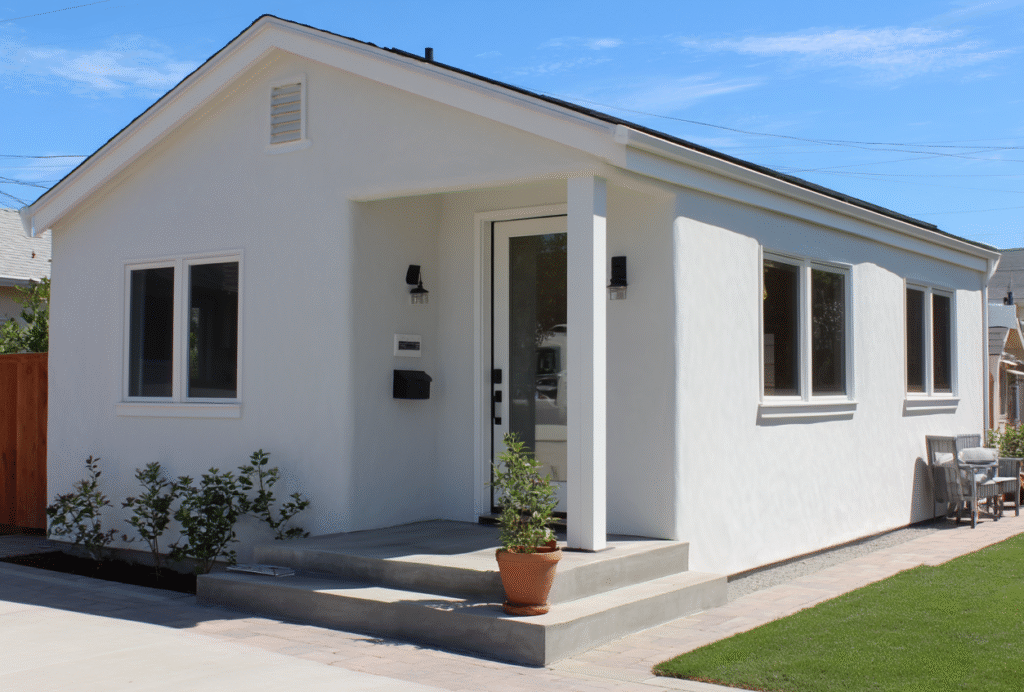
If you want to grow your property, a good choice is to build an Accessory Dwelling Unit (ADU). This article will compare detached and attached ADUs, helping you make an informed choice about which option suits your needs best. Whether you want more living space, income from rentals, or a home for extended family, understanding the differences between these two types of ADUs is essential.
Understanding Accessory Dwelling Units (ADUs)
ADUs are secondary housing units constructed on the same lot as a primary home. You might also hear them called “granny flats,” “in-law suites,” or “backyard cottages.” As property values rise and housing shortages grow, ADUs have become increasingly popular. They offer flexible solutions, allowing homeowners to accommodate family, guests, or renters.
ADUs can be tailored to meet personal needs and are usually designed based on local laws and property characteristics. Their ability to fit into existing spaces without requiring additional land makes them an attractive option for homeowners looking to maximize their property.
Planning Your ADU: Detached ADU Considerations
When exploring ADU options, you’ll find two main types: detached and attached. Each has its own set of benefits and drawbacks.
Detached ADU Considerations
Detached ADUs are separate structures that stand alone on the same property as the main house. They provide more privacy and creative design options than attached ADUs. Typically resembling small homes or cottages, detached ADUs cater to those who want an independent living space.
Detached ADU Plans
Planning a detached ADU requires a thoughtful approach, including architectural design and layout. Homeowners can choose various styles, from modern to traditional. When designing your detached ADU, think about weather conditions, the placement of the unit on your property, and how it fits into the overall landscape.
Detached ADU Cost
Building a detached ADU can be a considerable investment, generally costing between $100,000 to $400,000. The price varies depending on factors like size, materials, and location. When planning your budget, include not just the construction costs, but also permits, utilities, and landscaping expenses.
Consider various financing options, such as personal loans or home equity lines of credit, to support your project. A comprehensive financial plan can help ensure that you can comfortably afford the costs associated with your detached ADU.
Detached ADU Requirements
Before you start your detached ADU project, it’s crucial to understand the requirements involved. Local zoning laws, building codes, and regulations dictate specific guidelines. Key requirements may include:
- Zoning Regulations: Local laws may set restrictions on ADUs, including minimum lot size, maximum unit size, and setback distances from property lines.
- Building Permits: You’ll need the proper building permits before beginning construction. Ignoring these regulations can lead to fines or required changes.
- Distance Requirements: Each jurisdiction will have different rules about how far your ADU needs to be from your primary residence and neighboring properties to maintain privacy and safety.

Advantages and Disadvantages: Detached vs. Attached ADUs
When deciding between detached and attached ADUs, it’s essential to consider their advantages and disadvantages.
Pros and Cons of Attached ADUs
Attached ADUs are physically connected to the main house. They can be extensions or modifications of existing spaces, like garages or basements. Here are some benefits:
- Cost-Effective Solutions: Typically, attached ADUs are less expensive, ranging from $50,000 to $150,000. This lower price often stems from using existing structures.
- Ease of Integration: Being connected to the primary home simplifies access to utilities and amenities, making construction easier.
However, there are some downsides:
- Privacy Concerns: The close connection to the main house can reduce tenant privacy, making this option less desirable for those needing separation.
- Limited Design Options: Attached units may have design limitations due to the existing structure, which can make it harder to create a unique living space.
Pros and Cons of Detached ADUs
Detached ADUs have their advantages that many homeowners find appealing:
- Enhanced Privacy and Independence: With a separate entrance and living space, detached ADUs provide a level of privacy that attached units typically lack. This is particularly attractive for renters.
- Flexibility in Design: Detached ADUs allow for more freedom in architectural design, letting homeowners customize layouts and include outdoor spaces.
However, they also come with some challenges:
- Higher Costs: The cost of constructing a detached ADU is generally higher due to site work and the need for separate utilities. This requires careful budgeting.
- Complex Construction Regulations: Detached structures often face additional regulatory hurdles, leading to longer permit processes and potential delays.
Decision-Making Factors for Choosing the Right ADU
Choosing whether to build a detached or attached ADU involves several key factors unique to each homeowner.
Property Layout and Available Space
Start by evaluating your property layout and available space. If you have ample room, a detached ADU may fit well. Conversely, limited space might make an attached unit more practical and compliant with local zoning regulations.
Budget and Financing Options
Examine your budget and look at potential financing options. Determine how much you can allocate for your ADU. Weighing the pros and cons of investing in a detached unit for greater privacy versus opting for an economical attached unit can help you make a better financial decision.
Purpose of the ADU
Think about the primary use of the ADU—whether it will be for rental income or family use—as this greatly influences your choice. If you want to generate revenue, focus on privacy and design flexibility. If housing a family, consider comfort and shared spaces.
Tips for a Successful ADU Project
Successfully building an ADU requires careful planning. Here are some tips to help you through the process:
- Selecting Experienced Architects and Builders: Work with professionals who have experience in ADU construction to gain quality results and expert advice.
- Reviewing Local Building Codes: Familiarize yourself with local building codes and ADU regulations early in your planning. This will help avoid issues that might delay your project.
- Planning for Utilities, Parking, and Landscaping: Ensure that all necessary utilities, parking options, and landscaping considerations are included in your project plan. This comprehensive approach will enhance the functionality of your ADU.
- Timeline Expectations for Construction: Set realistic expectations for construction timelines and be ready for possible delays. Proactively managing this process can reduce stress and lead to a smoother building experience.

Conclusion
In summary, detached and attached ADUs each offer unique benefits and considerations. Detached units generally provide more privacy and design flexibility, but at a higher cost. Attached units can be more affordable and more straightforward, but may limit privacy.
Consider your budget, property layout, and the intended purpose of the ADU when deciding. Consulting with professionals to start planning your ADU project is a worthwhile investment, ensuring that your choice aligns with your needs and long-term goals.
By looking at your choices and getting expert help, you can add something valuable to your property. This addition can fit your lifestyle and help increase your property value.
Also, you can check more information here:
• https://goshentinyhomes.com/services/detached-adus/
• https://goshentinyhomes.com/services/attached-adus/
• https://goshentinyhomes.com/adu-models/
Useful information about laws:
• FL ADU statute §163.31771
• FL Housing ADU Guidebook (types of ADUs) (leg.state.fl.us)